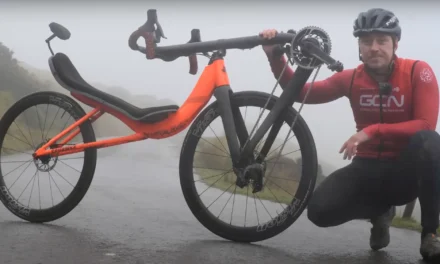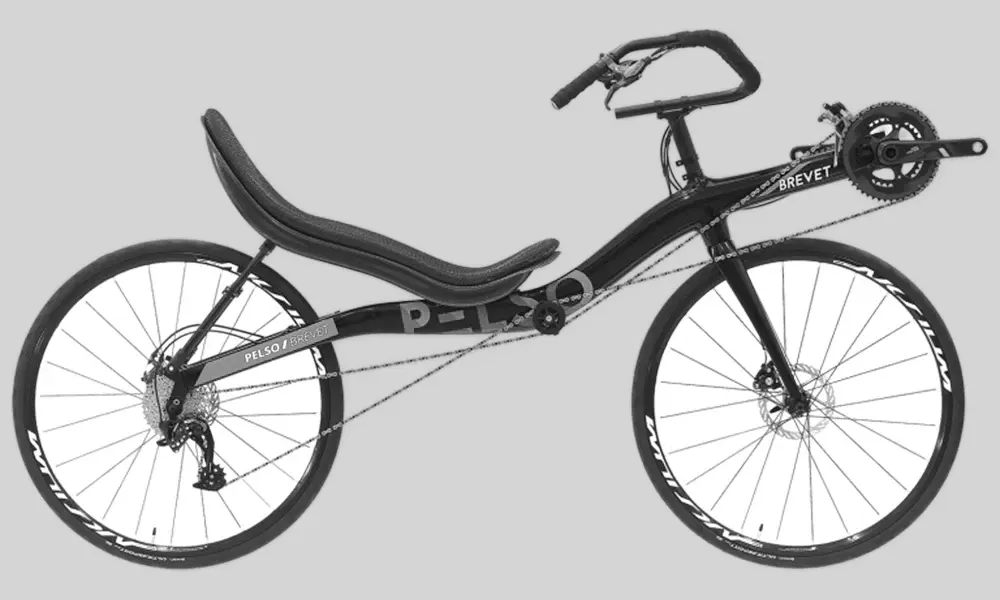

A few days ago, news reached us that the Hungarian recumbent brand Pelso is shutting down. Its only model was the carbon-fiber high racer Pelso Brevet, and the company behind the project was Szatuna, a Hungarian composites manufacturer. Although the brand gradually gained recognition within the recumbent community and became more visible on social media during the last year or two, it struggled with production delays and communication issues involving both dealers and end customers. At the time of writing, the company’s website is no longer available, and Szatuna is reportedly seeking buyers for the remaining inventory, as well as for the Pelso brand itself, including molds and production tooling.
The story behind Pelso, however, has a much more interesting beginning than its quiet ending might suggest.
From Carborecumbent to Pelso Brevet:
How the Project Began
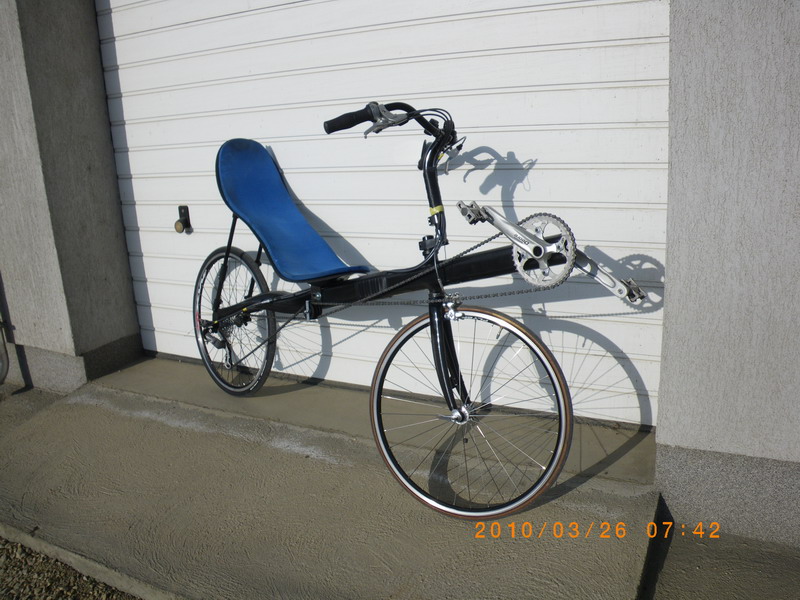
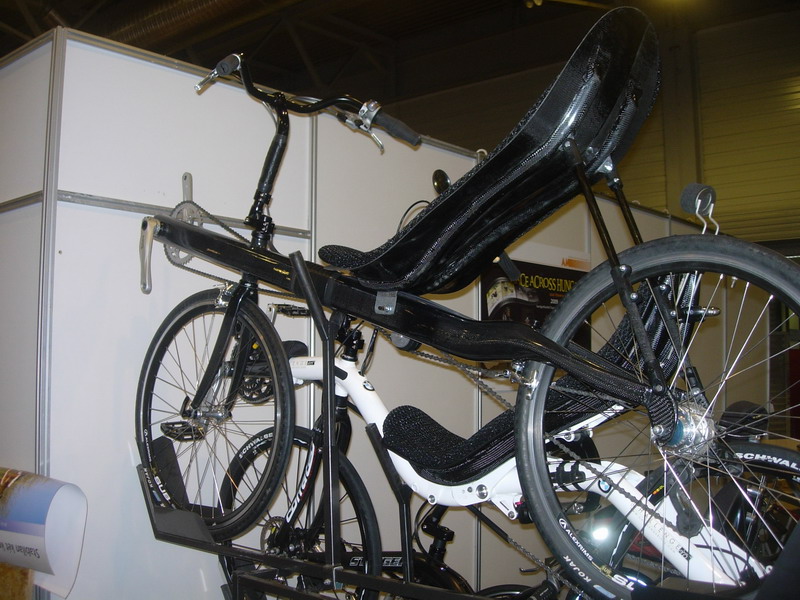
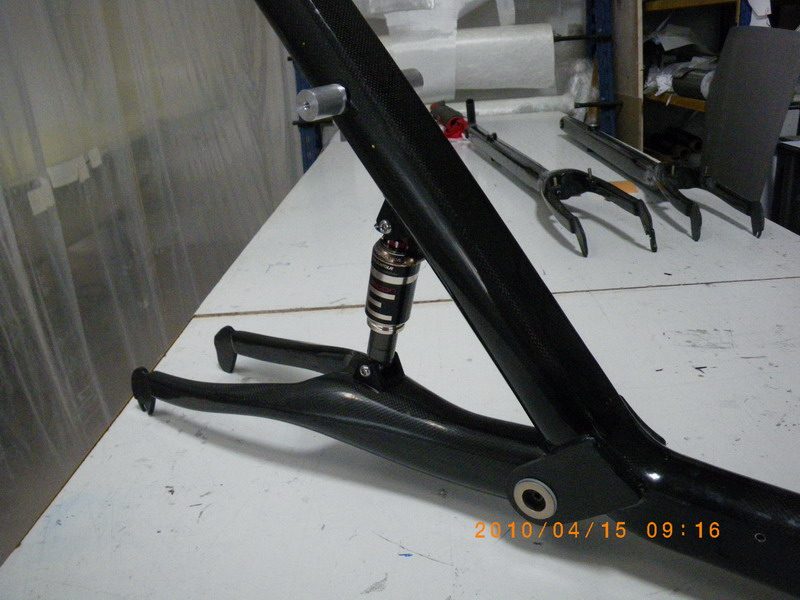
Everything started around 2010, when young Hungarian athlete and engineer Ádám Novák designed his first carbon-fiber high racer recumbent. Its layout closely resembled what is commonly known as a “stick bike,” where the main frame consists of an almost straight tube running from the bottom bracket to the rear wheel. The best-known example of this design philosophy is probably Bacchetta. Novák’s original design featured only a slight bend beneath the seat.
The Hungarian recumbent community responded positively to the bike, and the project soon became known as Carborecumbent. Photos of what appears to be the original prototype—or one of the earliest production examples—can still be found online today. Novák later presented the project to his family’s company, Szatuna, where he had begun working. The company, based in Balatonfűzfő, Hungary, specializes primarily in composite manufacturing for the automotive industry and subsequently took over production of the bicycle.
The Schlitter Encore Connection
and the Evolution of the Pelso Brevet
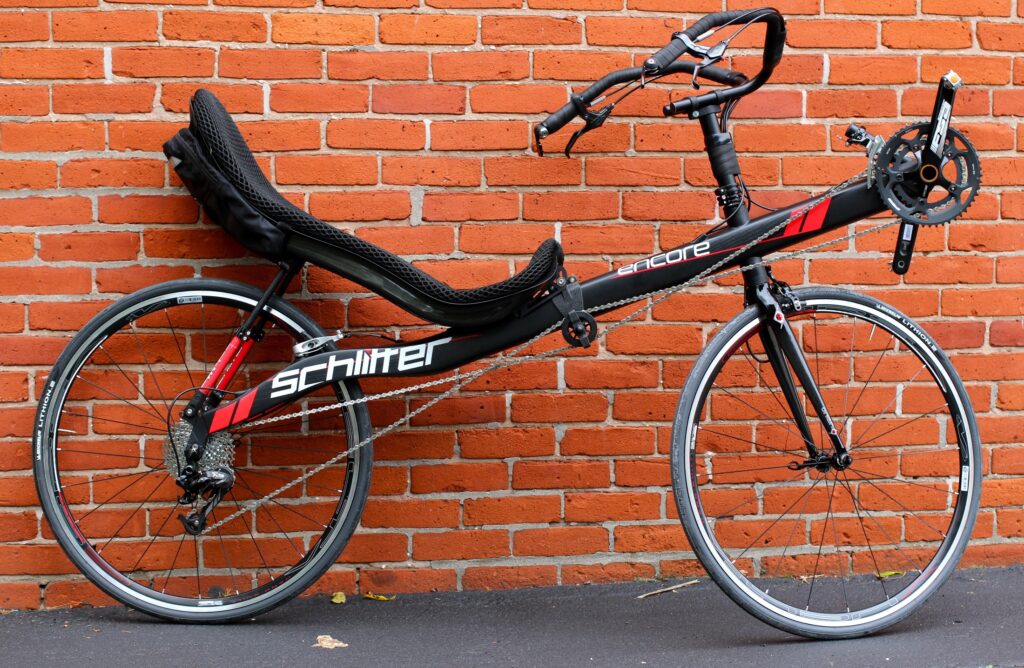
Around 2014, Szatuna began manufacturing the bike under the name Schlitter Encore for American recumbent racer and designer John Schlitter. Evidence suggests that Schlitter also contributed to the development and refinement of the design. The bike was offered both as a dual-700c high racer and in a configuration with a smaller front wheel. The Encore quickly earned praise in the recumbent community and was named Recumbent Bike of the Year 2014 by BentRider Online. Review by BROL here.
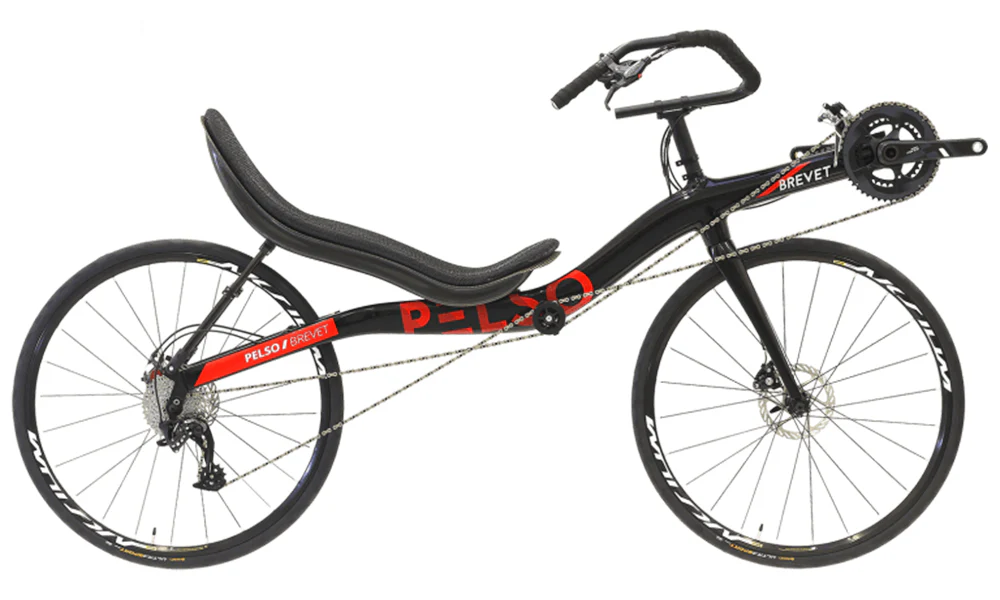
The cooperation between Schlitter and Szatuna lasted for roughly two years. Afterward, Szatuna significantly revised the frame design, replacing the straight “stick bike” layout with the more distinctive S-shaped frame profile that has become characteristic of many European high racers. At the same time, the company launched a new brand, Pelso, and introduced its sole model, the Brevet.
Bacchetta, International Expansion,
and Why Pelso Disappeared
One particularly interesting chapter in the company’s history came in 2018, when Bacchetta became the official distributor of the Pelso Brevet in the United States. At the time, Bacchetta was still operated by its original ownership team and was based in Florida.
The partnership gave Pelso valuable exposure in the North American market. Bryan Ball, founder of BentRider Online, wrote of the bike:
“This $4,800 carbon fiber bike handles very well and is quite adjustable with an adjustable seat and Bacchetta’s handlebars. I really enjoyed the ride of the Pelso, but it didn’t feel as stiff and racey as Bacchetta’s Carbon Aero.”
Because of this relationship, the model can still occasionally be found online under the name “Bacchetta Pelso Brevet.”
After Dana Lieberman acquired Bacchetta in 2021, the cooperation appears to have come to an end. From that point forward, Pelso operated independently and attempted to establish itself on the global recumbent market under its own name.
Unfortunately, the company never seems to have reached the level of market presence needed to generate consistent sales. Pelso was rarely seen at major trade shows and maintained only limited online marketing activity. Much of the brand’s promotion was carried out by independent dealers, many of whom reported difficulties with communication and delivery schedules. According to people within Szatuna, the company now intends to focus more heavily on its core business.
Whether this marks the definitive end of the Pelso story remains to be seen.
The recumbent industry has witnessed similar situations before. Brands such as Metabikes disappeared only to later find new owners. Bacchetta itself faced an uncertain future before being acquired and revived. With molds, tooling, and intellectual property apparently still available, there remains the possibility that a new owner could take over the Pelso name and continue production of the Brevet.
For now, however, one of the more ambitious carbon high racer projects of the last decade appears to have reached the end of the road.