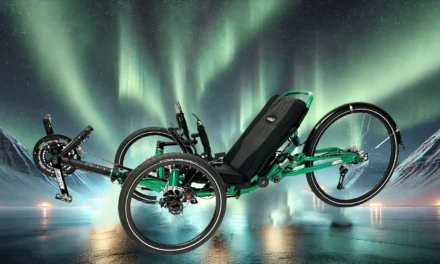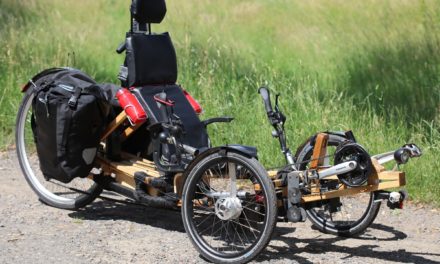

When Marec Hase won Germany’s Jugend forscht competition as a teenager with a self-built side-by-side tandem more than 30 years ago, few could have predicted where that project would lead. Instead of pursuing the parallel tandem concept, Hase went on to develop the original Kettwiesel, the delta recumbent trike that would eventually define the company and become one of the most recognizable names in the world of recumbent cycling.
Now, after three decades, the original idea has come full circle.
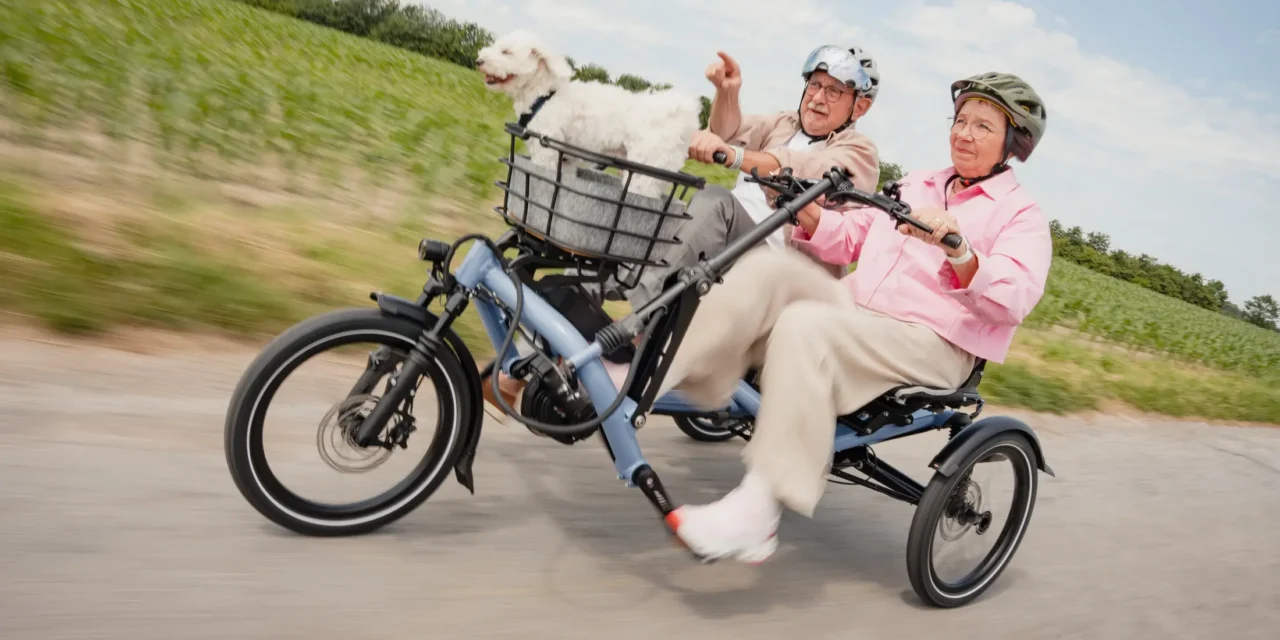
The new Hase Kettwiesel TWO is a side-by-side tandem that allows two riders to sit next to each other, combining the social experience of riding together with the stability and accessibility of a recumbent trike. The concept itself is not new. Dutch manufacturer Van Raam, for example, has made the Fun2Go a familiar sight in senior mobility and adaptive cycling, but Hase has approached it with considerably more emphasis on sophisticated cycling technology.
What makes the new tandem particularly interesting is how much technology Hase has packed into the concept. It is fully suspended, uses a powerful Bosch e-bike system and offers independently adjustable seating and steering positions for two riders who can differ considerably in height. Hase has also developed some clever technical solutions that make getting on and off the trike considerably easier.
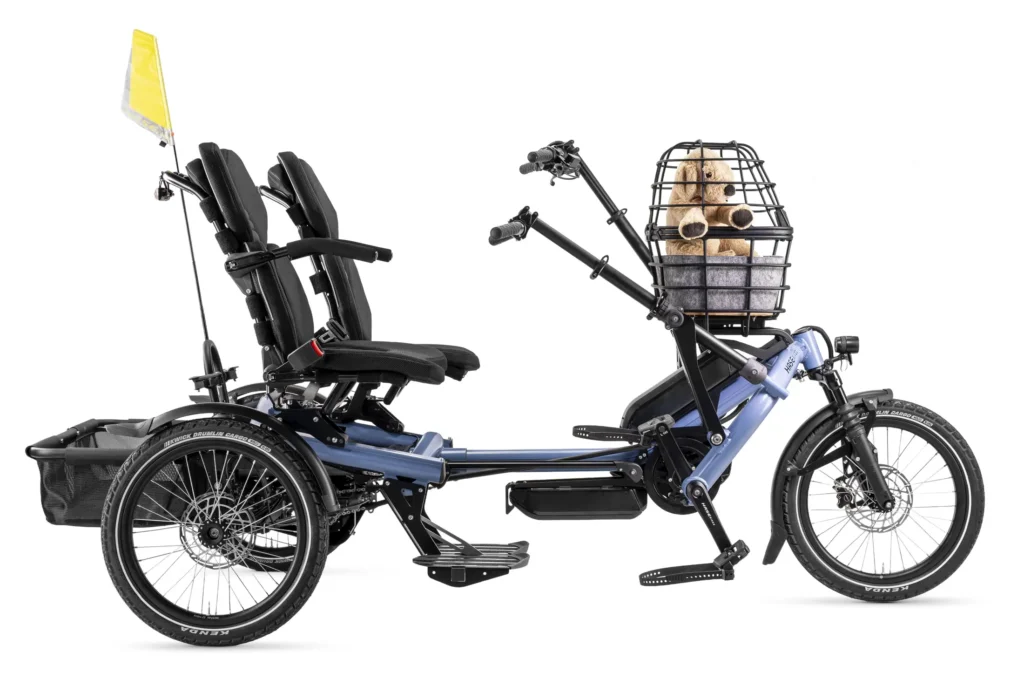
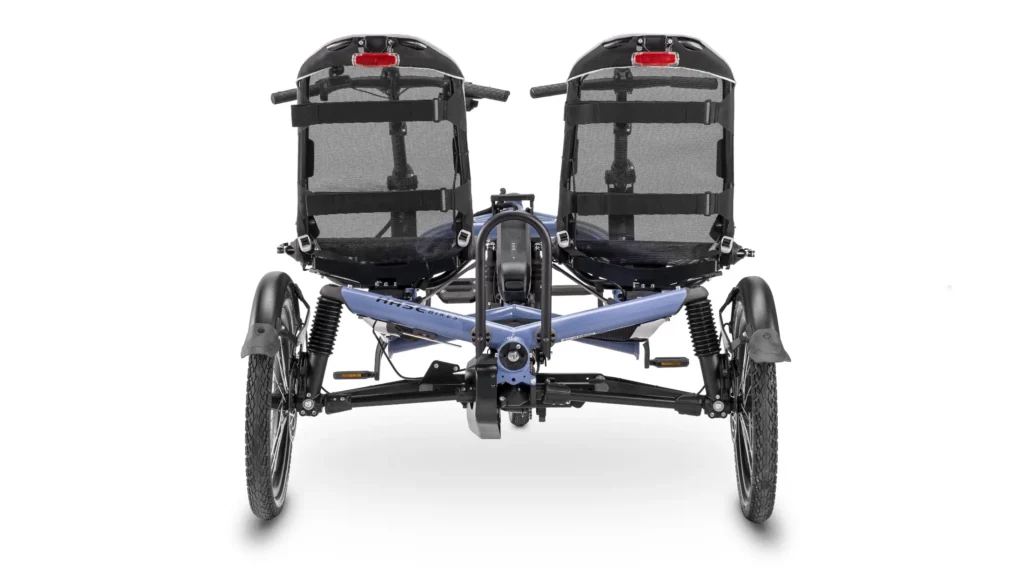
For RECUMBENT.news Premium members, we take a much closer look at the Kettwiesel TWO below: its Bosch motor and drivetrain options, unusual full-suspension chassis, independent seat adjustment, rider-size range, weight and payload, battery configurations, pricing and availability. We also look at how it compares conceptually with the Van Raam Fun2Go, and what this surprisingly sophisticated tandem tells us about the evolution of Hase Bikes itself.
PREMIUM CONTENT
If you want to read the full article, you have to be a Premium Member.
⭐️ Become a Premium Member for just 10 USD a year! ⭐️
Are you Premium Member? Just Log-in!