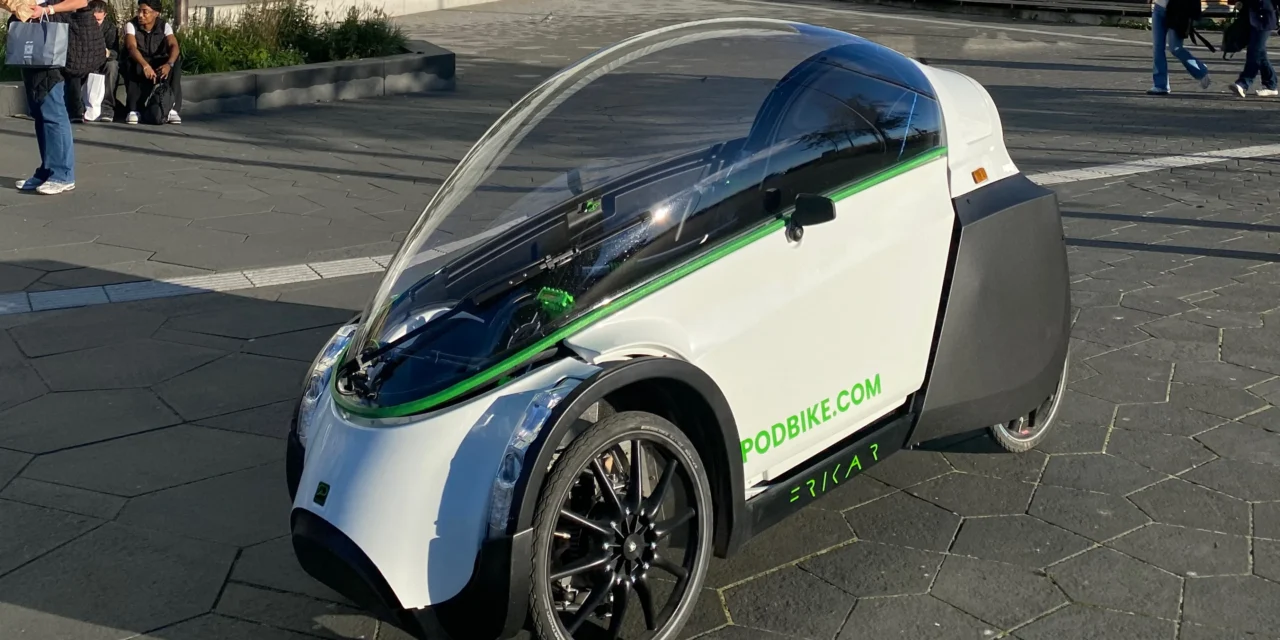

The Podbike Frikar likely needs little introduction for RECUMBENT.news readers. It is one of the most interesting—though also highly controversial in its execution—projects among modern practical electric velomobiles, or if you prefer velocars, LEVs, or LEAVs (Light Electric Assisted Vehicles). The project succeeded in attracting investor attention and funding, generated significant marketing buzz and public interest, and secured more than 3,000 preorders. At the same time, however, it failed to maintain its promised price point and delivery timeline. After several dozen customers received their fully faired, arguably overengineered four-wheelers, the company announced bankruptcy and ceased operations. We also published a video about this at the time.
A few days ago, the technology website New Atlas reported that Norwegian entrepreneur Erik Solberg has purchased the rights to build additional Podbike Frikar units, along with completed vehicles and existing parts. He did not, however, acquire the company itself or the rights to use the Podbike or Frikar names. As a result, the project is now called TWOZERO, and the model is expected to be named Classic. A website is already live, along with a Kickstarter campaign where the Classic can be ordered.
According to statements on Kickstarter, 20 units are already assembled, and for another 160 units, approximately 80 percent of all components are available, making it possible to complete them within the next few months. Based on available information, this should be a version with updated software, although the specific changes have not been disclosed.
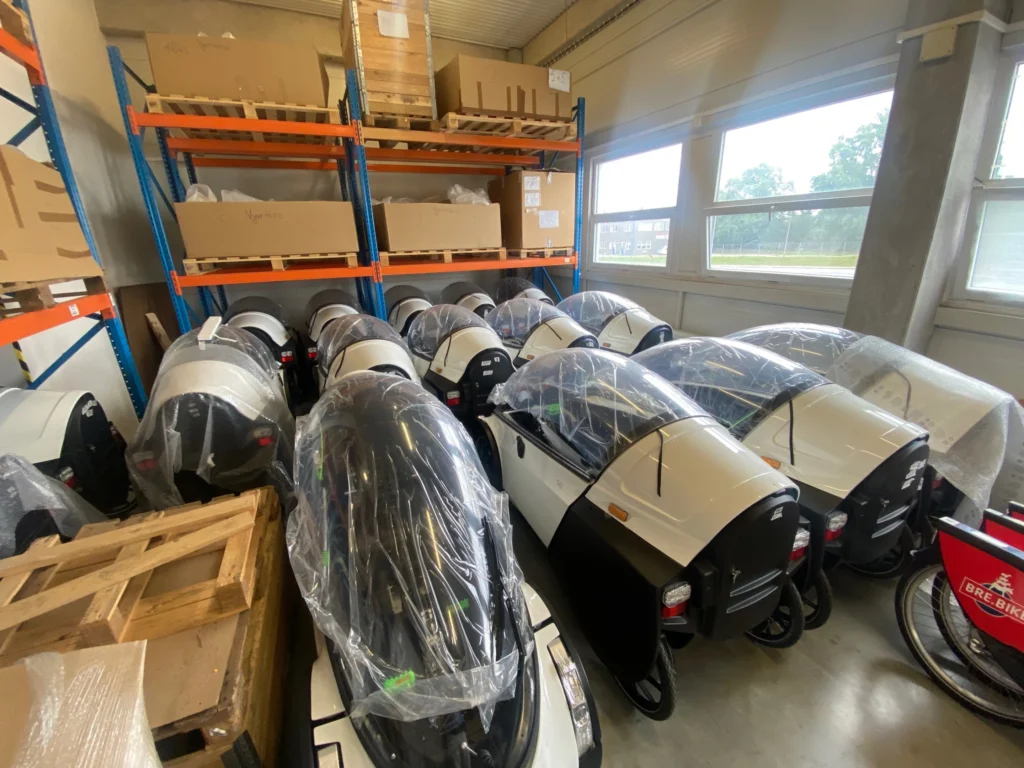
The price of the TWOZERO Classic on Kickstarter is set at 79,900 NOK (approximately 8,374 USD), but this does not include the battery or charger, which cost an additional 1,150 NOK. It is also unclear where customers will be able to collect their velomobiles. While the company Phase Energy is based near Oslo, production takes place in the Czech Republic. Through a bit of investigative work, we found that manufacturing is handled by the traditional Czech bicycle maker Olpran, which operates a large production facility in Hořice in the Podkrkonoší region. This is a relatively convenient location close to the German border, although we do not expect on-site pickup to be an option.
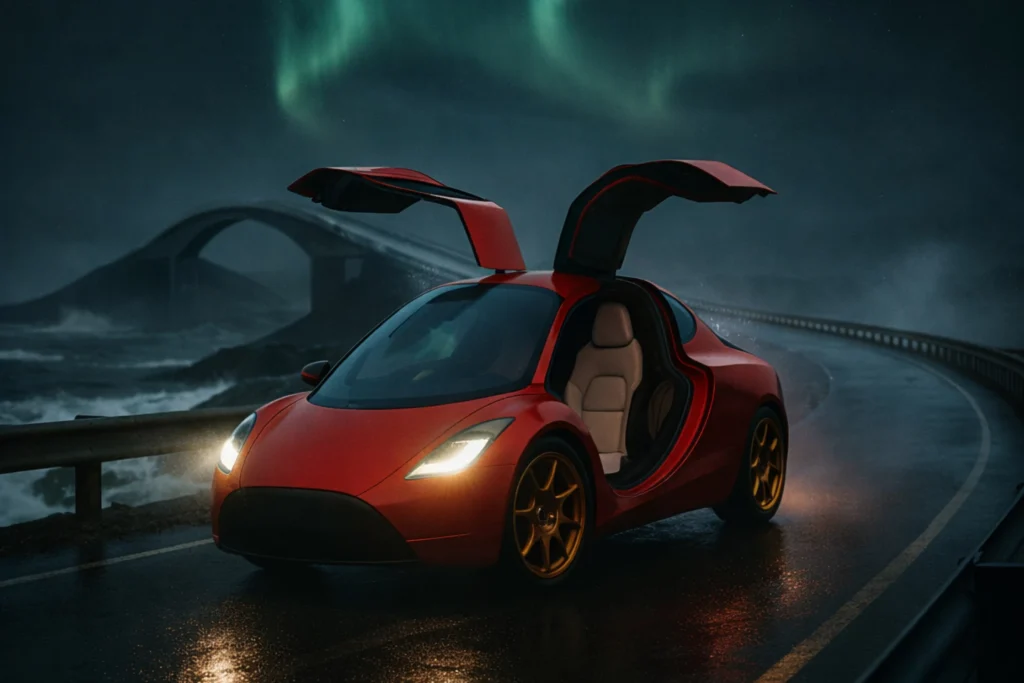
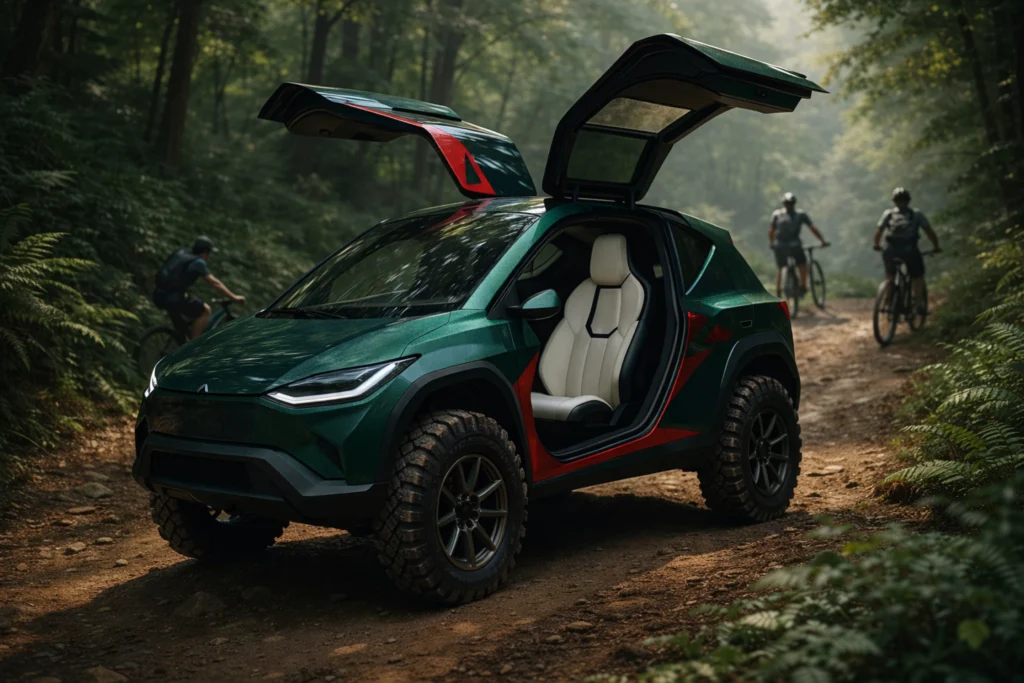
Mr. Solberg nevertheless has ambitious plans for the future, aiming to introduce five new models as early as 2027 and another ten models in 2028. These are expected to be capable of speeds up to 80 km/h (50 mph) and would therefore need to undergo a demanding certification process. That would represent an astonishing pace, considering that development of the original Podbike alone took nearly 10 years. AI-generated images are also available, which match velomobile dimensions but visually resemble a car—specifically a Tesla—more than a human-powered vehicle. Strangely, even the website presentation includes images of the original Podbike and accessories reworked through AI, which does not make much sense. On the other hand, at the end of the New Atlas article there is a new video showing the real TWOZERO Classic—essentially the newly renamed Podbike—in motion, with Mr. Solberg at the controls. Although the video is accompanied by somewhat irritating AI-generated music, the footage itself is clearly real.
We have contacted TWOZERO with questions regarding the software changes, their ability to deliver the remaining 160 unfinished units, and whether production and sales of the Classic will continue after the initial 180 units are delivered. So far, however, we have not received a response.
👉 Campaign on Kickstarter
👉 New website of TWOZERO Classic
👉 New Atlas article