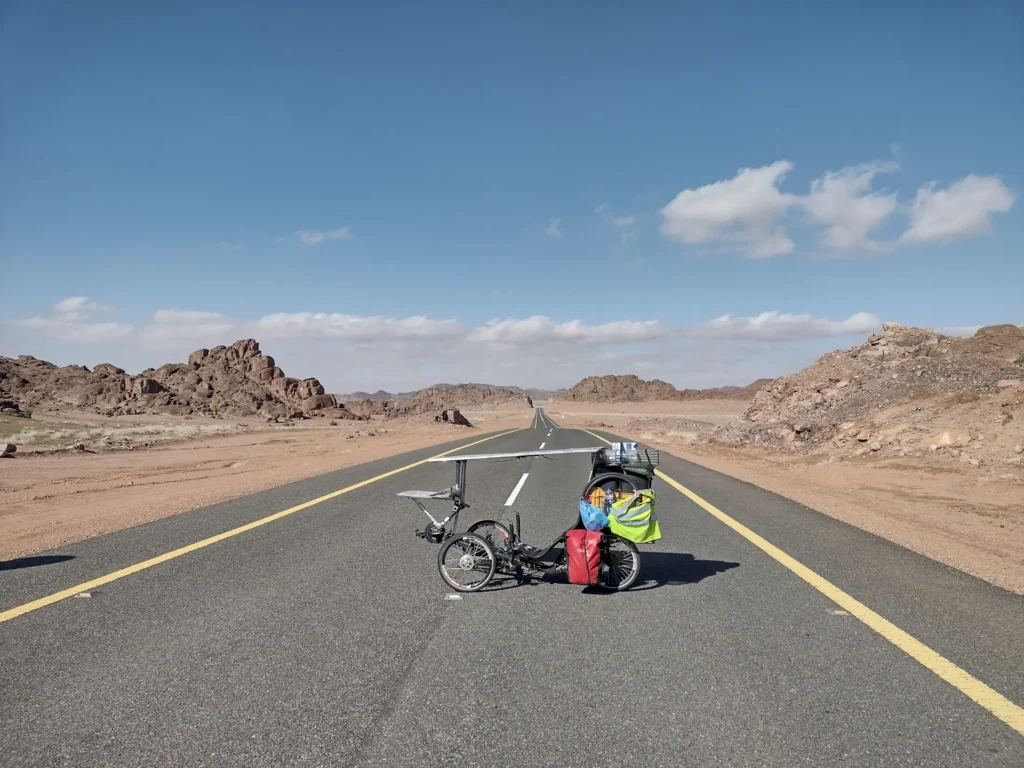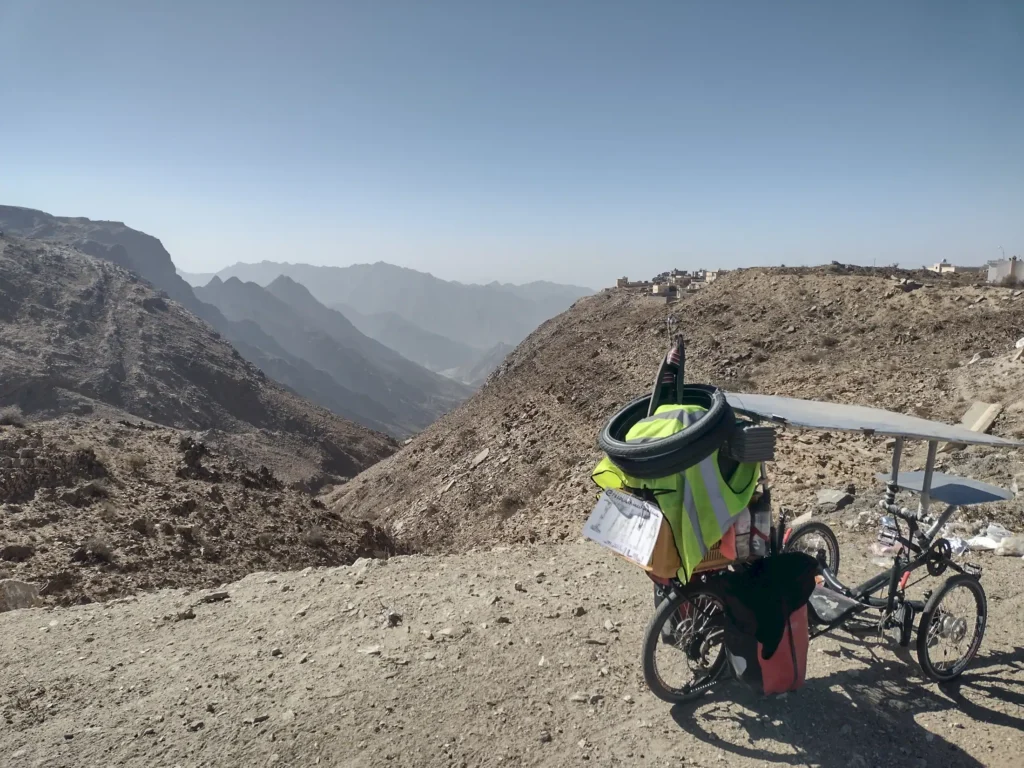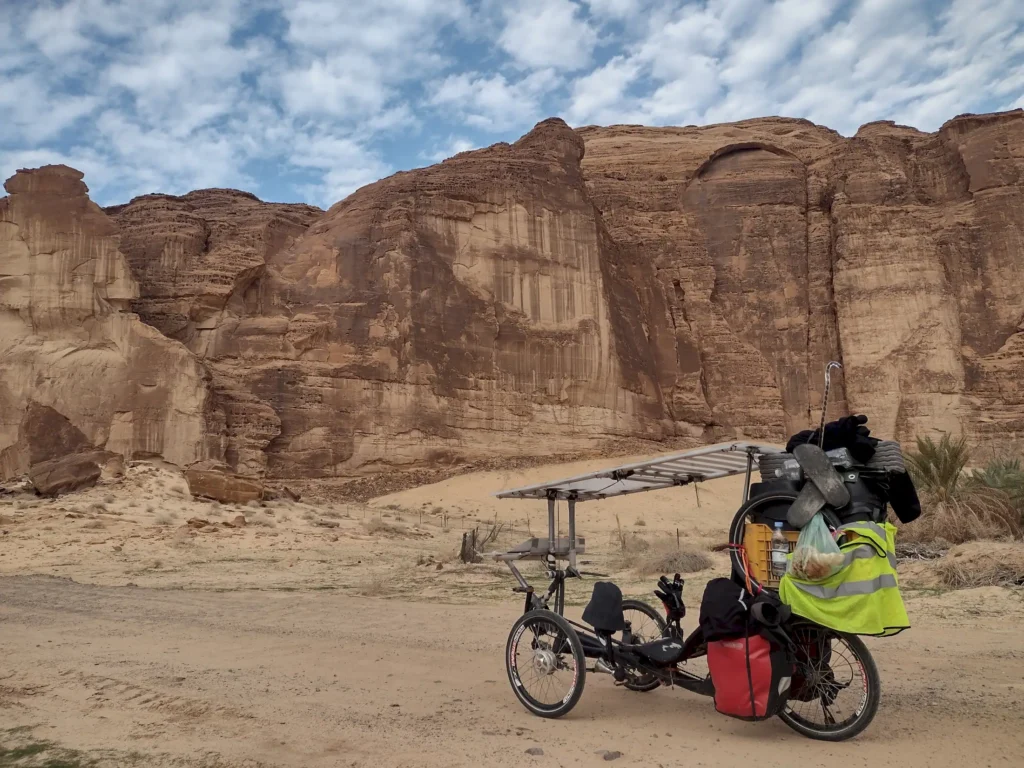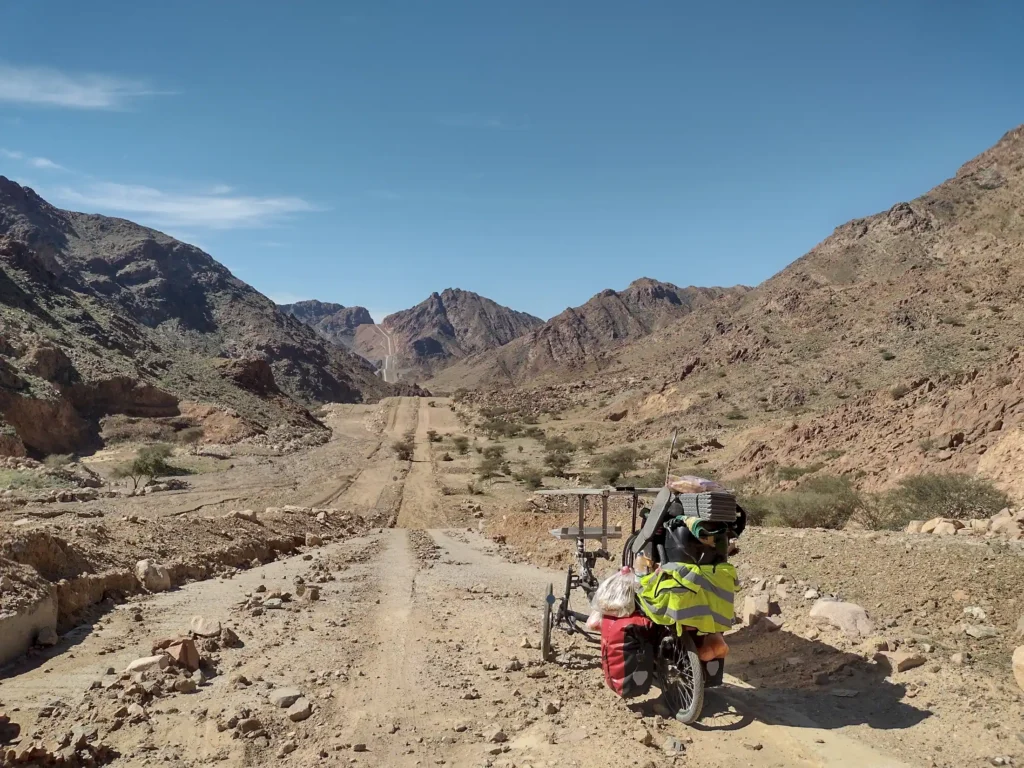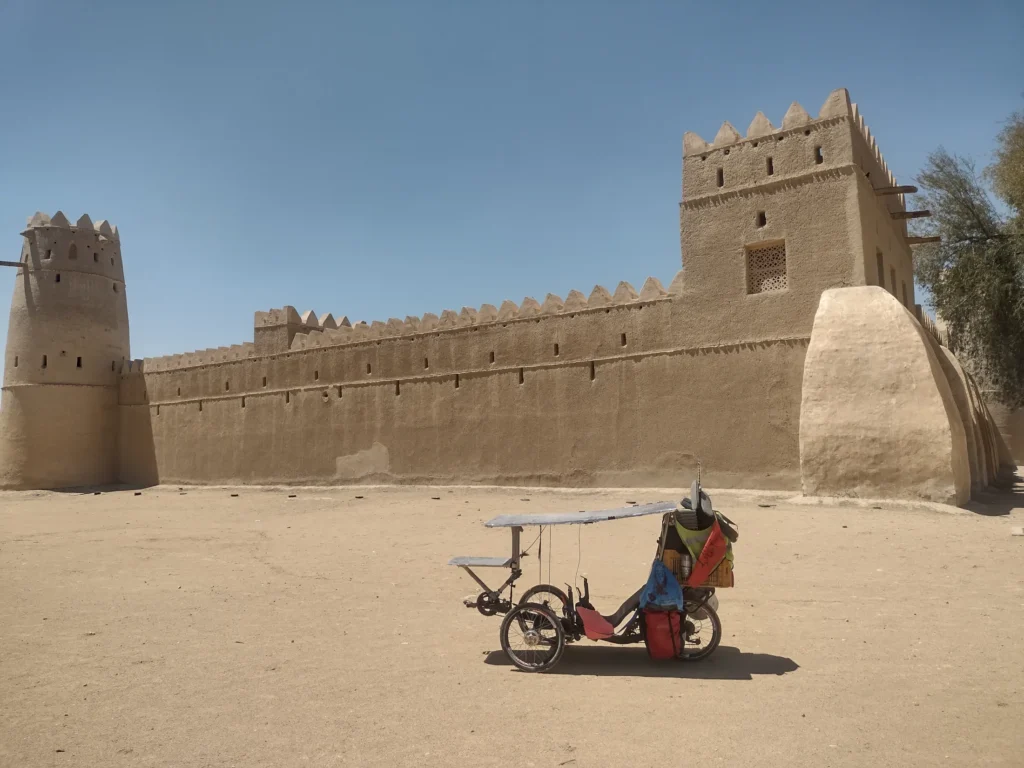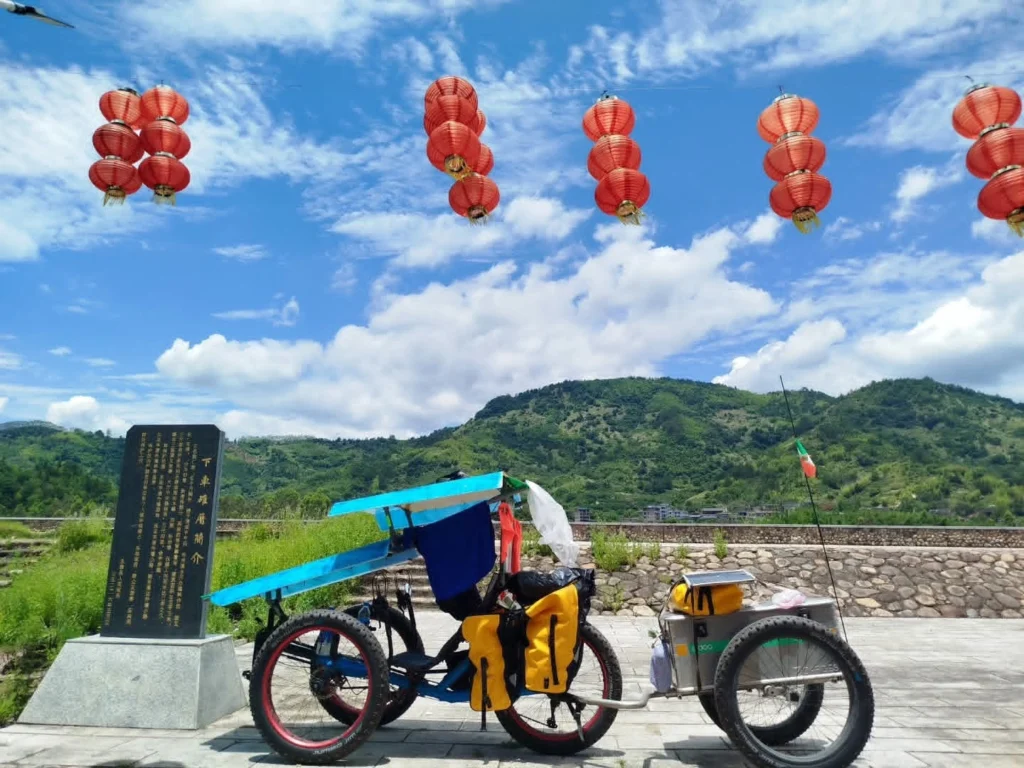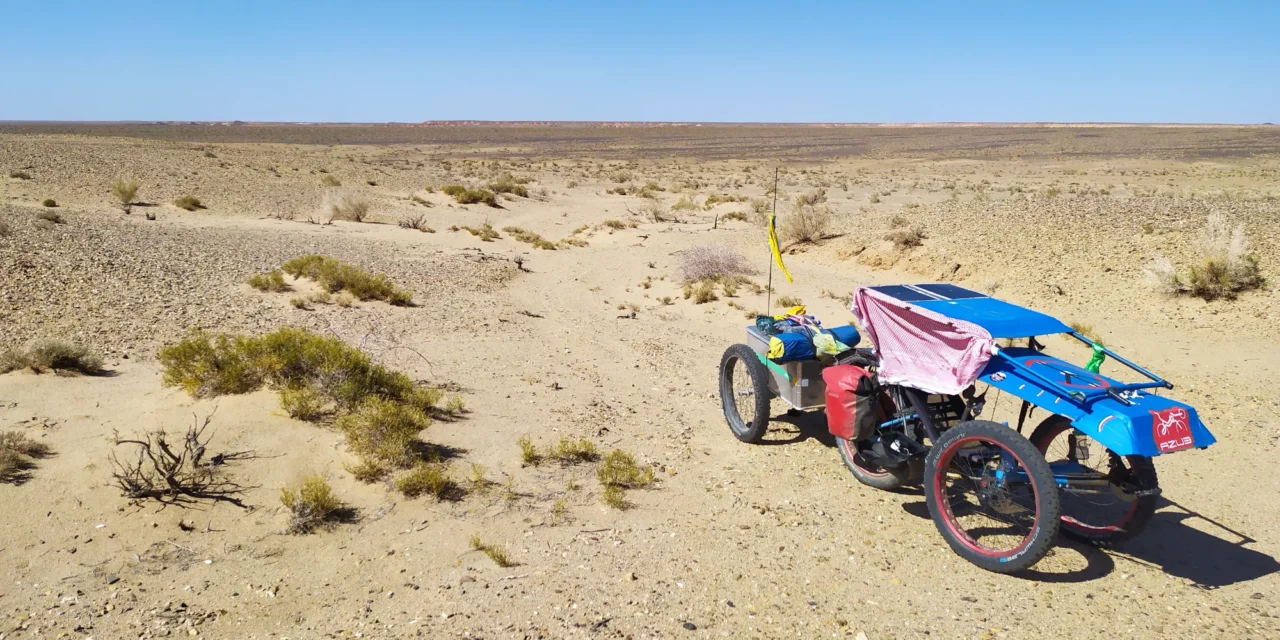

The last time we talked with Nicola was in 2022,read the interview here. Most of us know of Nicola from his hostage ordeal in Mali, West Africa in early 2019, where he spent 611 days captive and had his trike, trailer and gear stolen. This experience did not stop his desire to explore the world on a trike. After a “short” bike tour across South America to visit family, he returned to Italy to continue his trike world tour. Nicola bought a used AZUB TRIcon recumbent trike, loaded it up and headed east towards Iraq and beyond. Let us get caught up with his journey and see where Nicola is now.
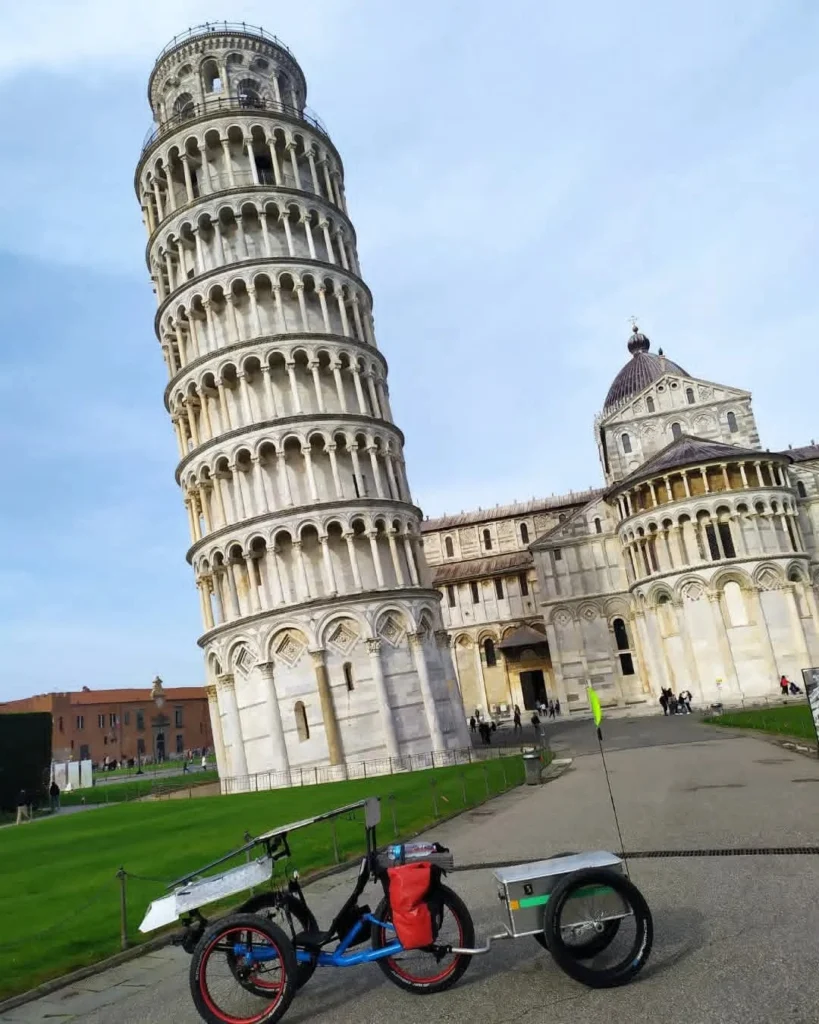
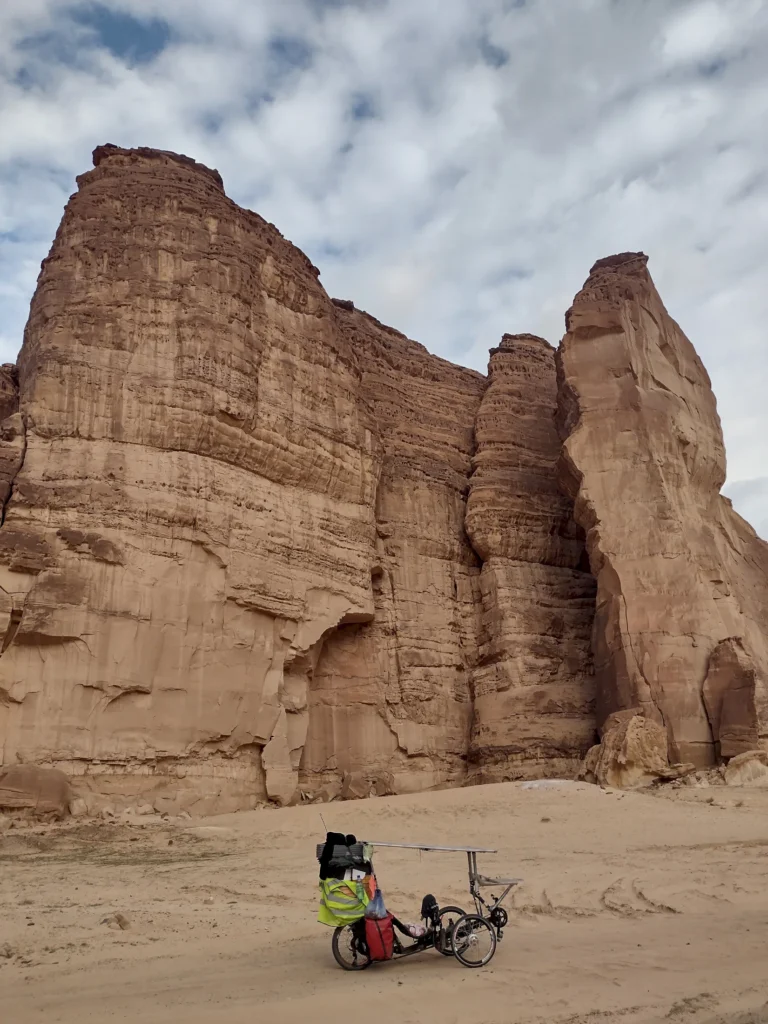
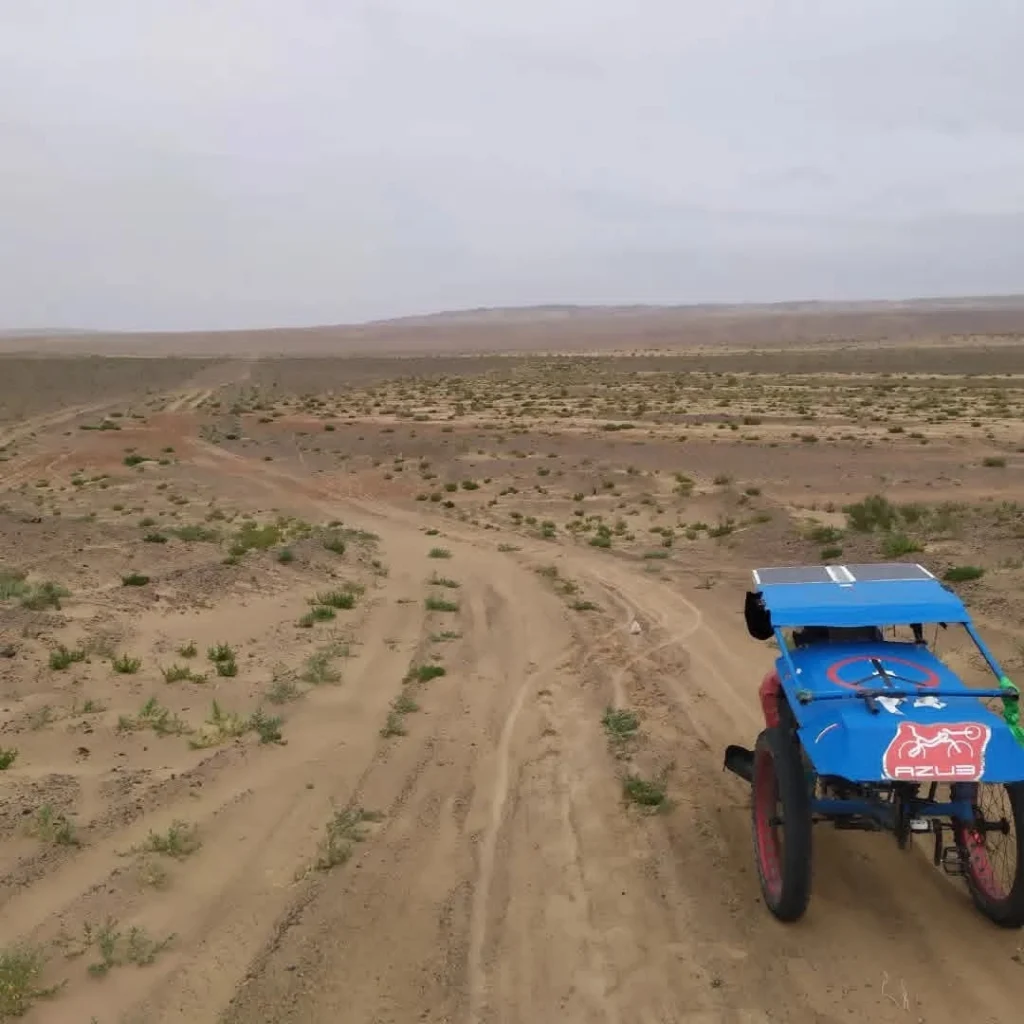
The last time recumbent.news interviewed you, you were riding an AZUB TRIcon 20 with no trailer. It looks like you are back on a fat trike with a trailer again. What trike and trailer combination are you riding now?
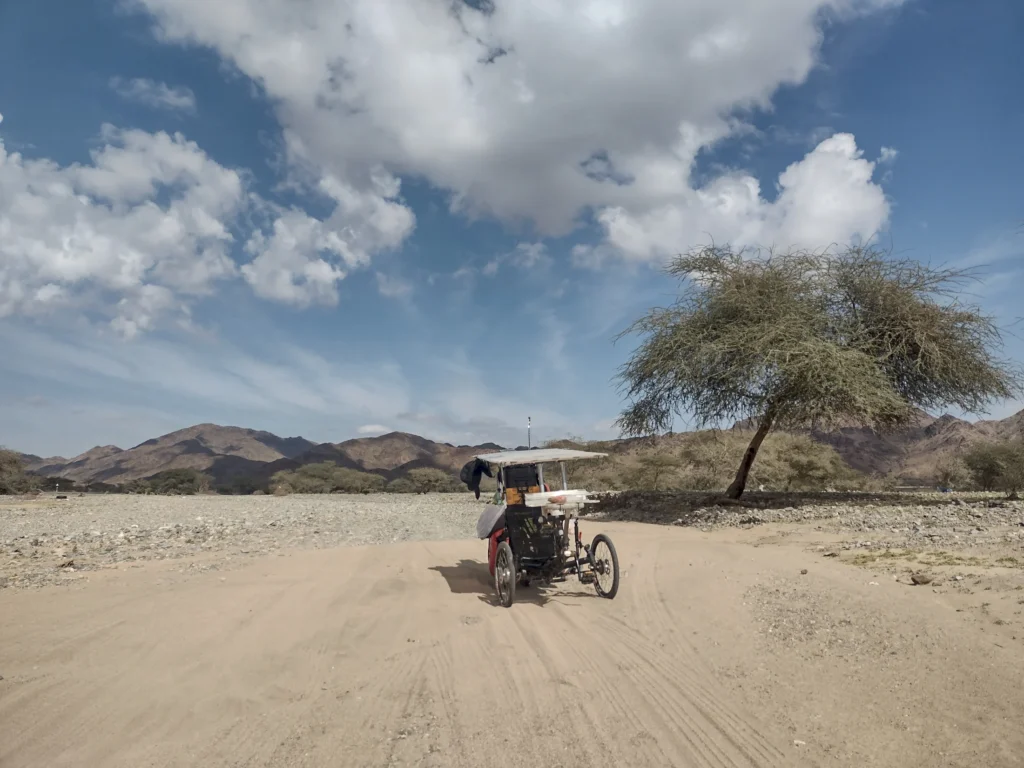
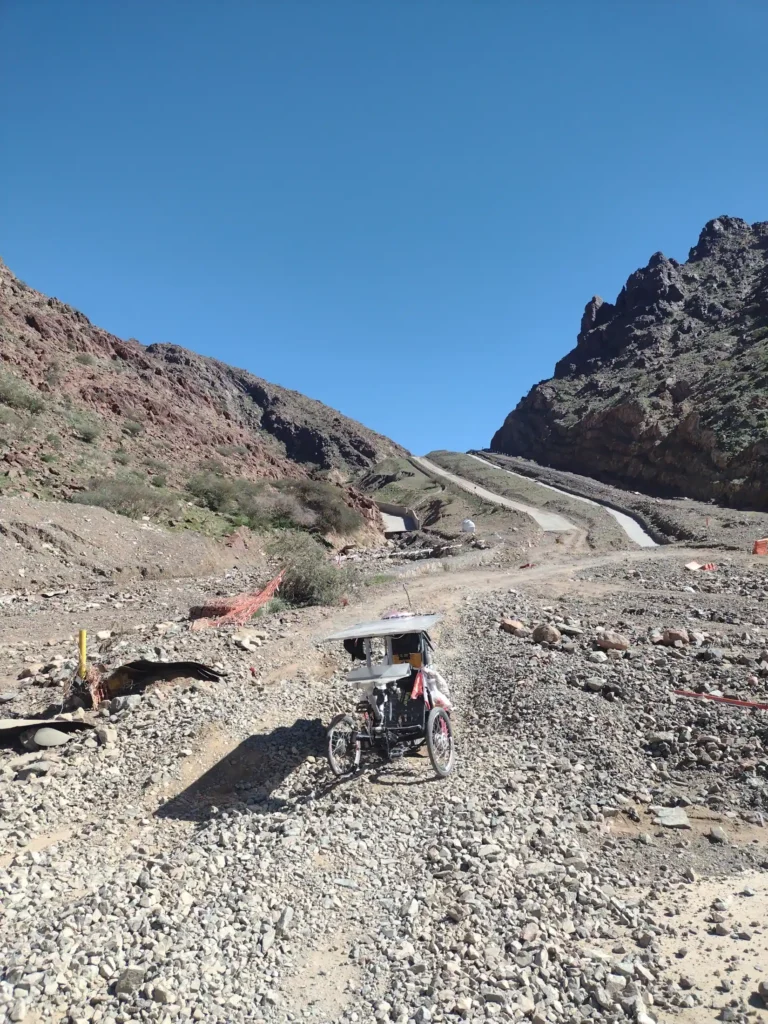
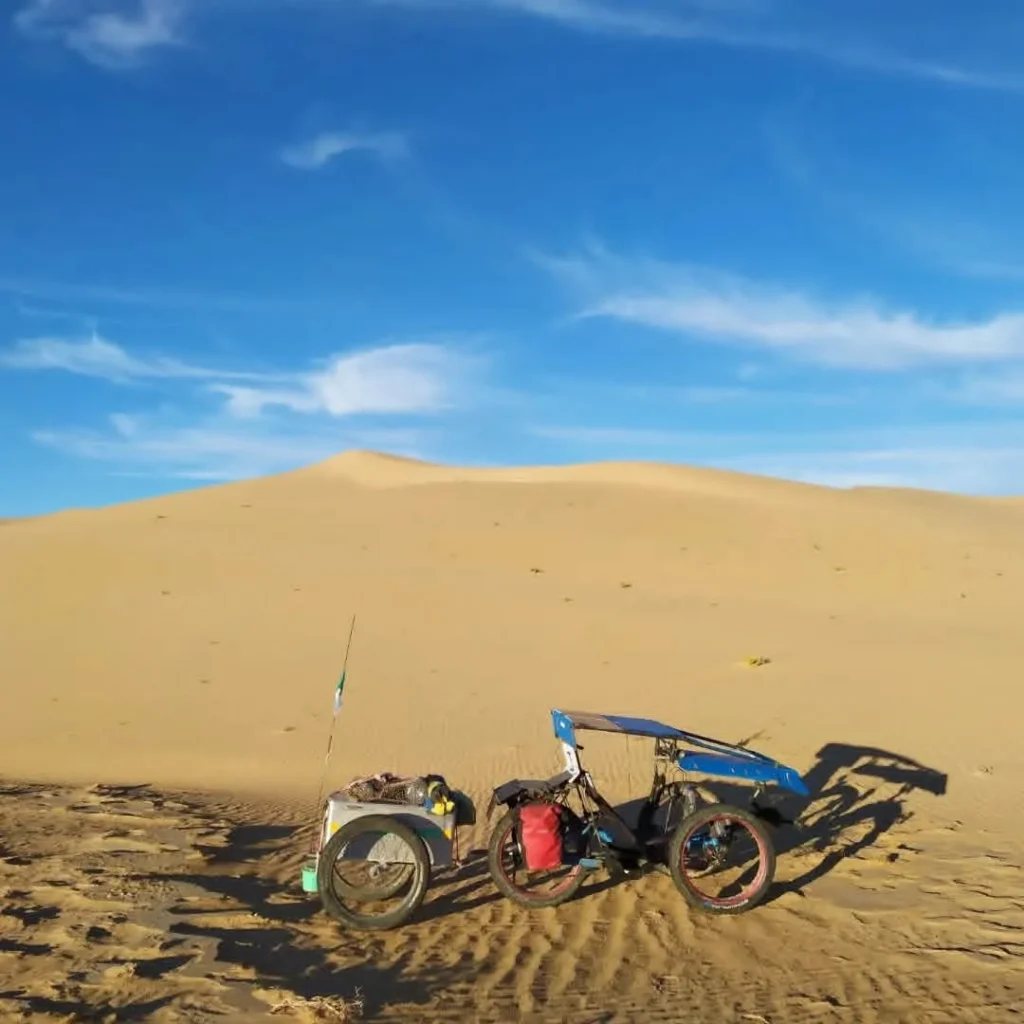
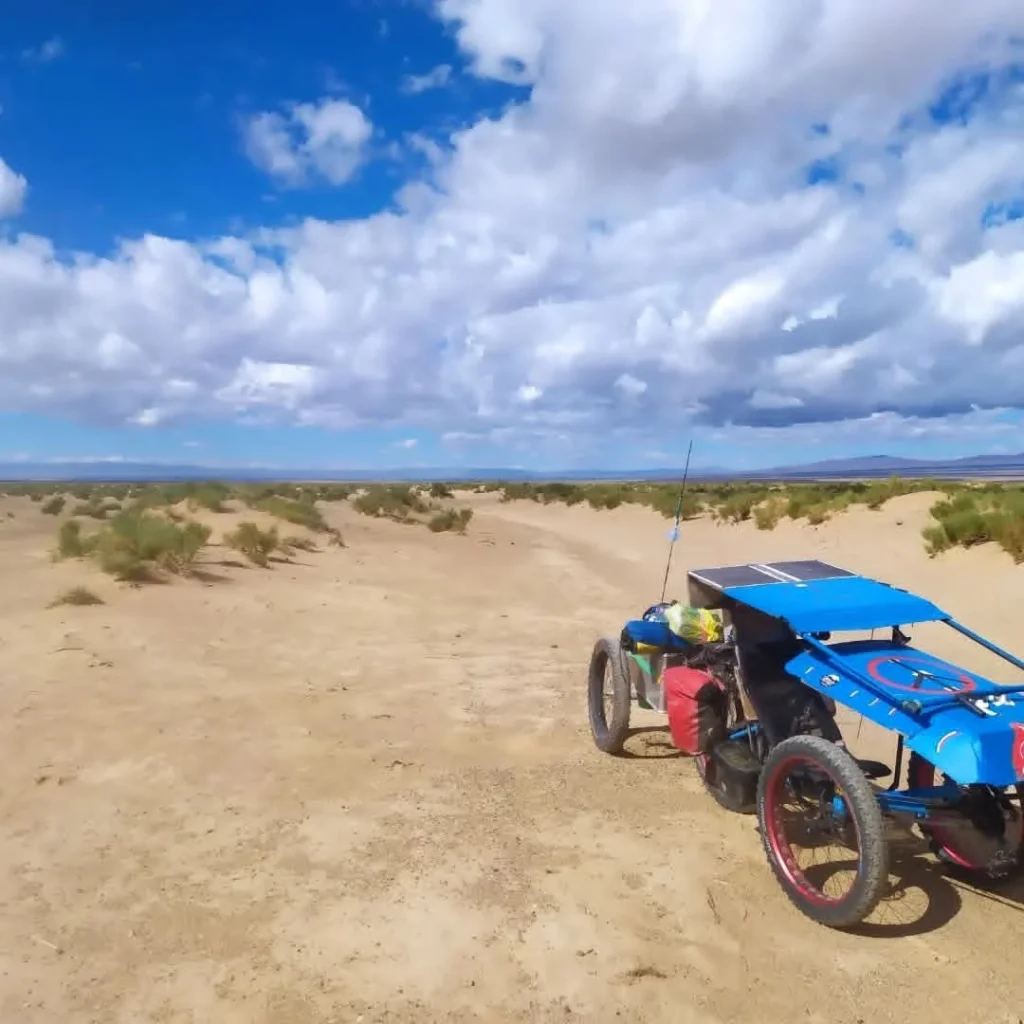
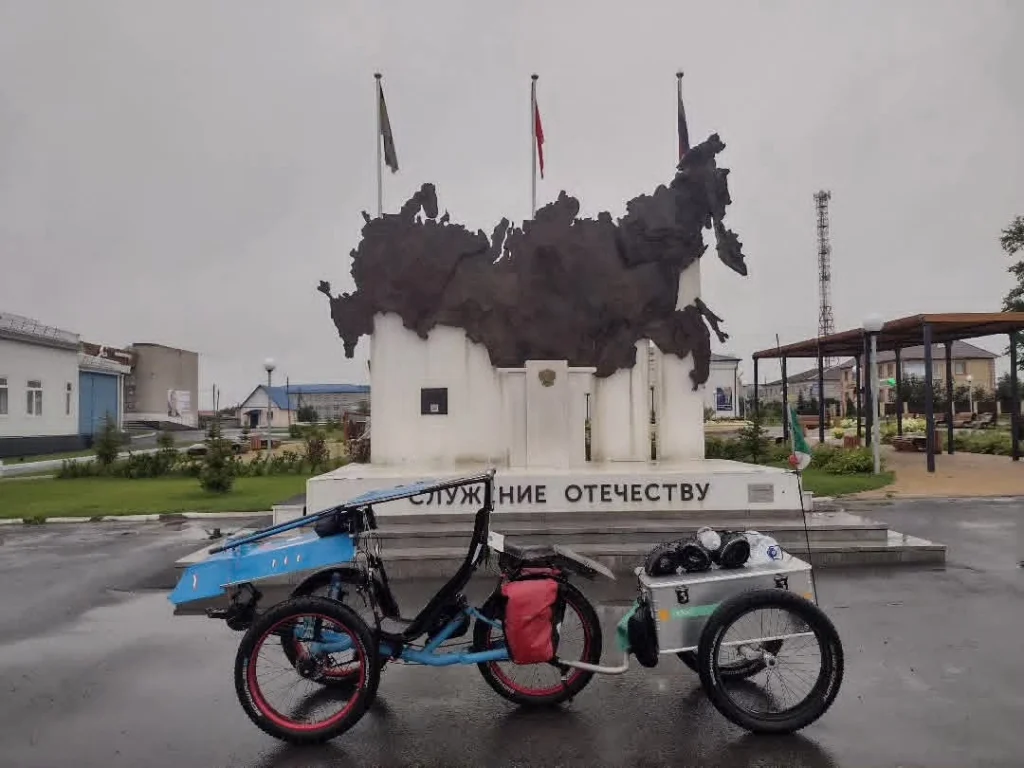
Yes, I’ve returned to the AZUB FAT Trike and Aidoo Trailer. It’s the exact same setup I used when I began my odyssey in 2018. After trying different configurations, I realized this combination offers the resilience and stability I need for the extreme conditions I face.
What do you like about the AZUB FAT trike compared to the TRIcon with 20 inch wheels?
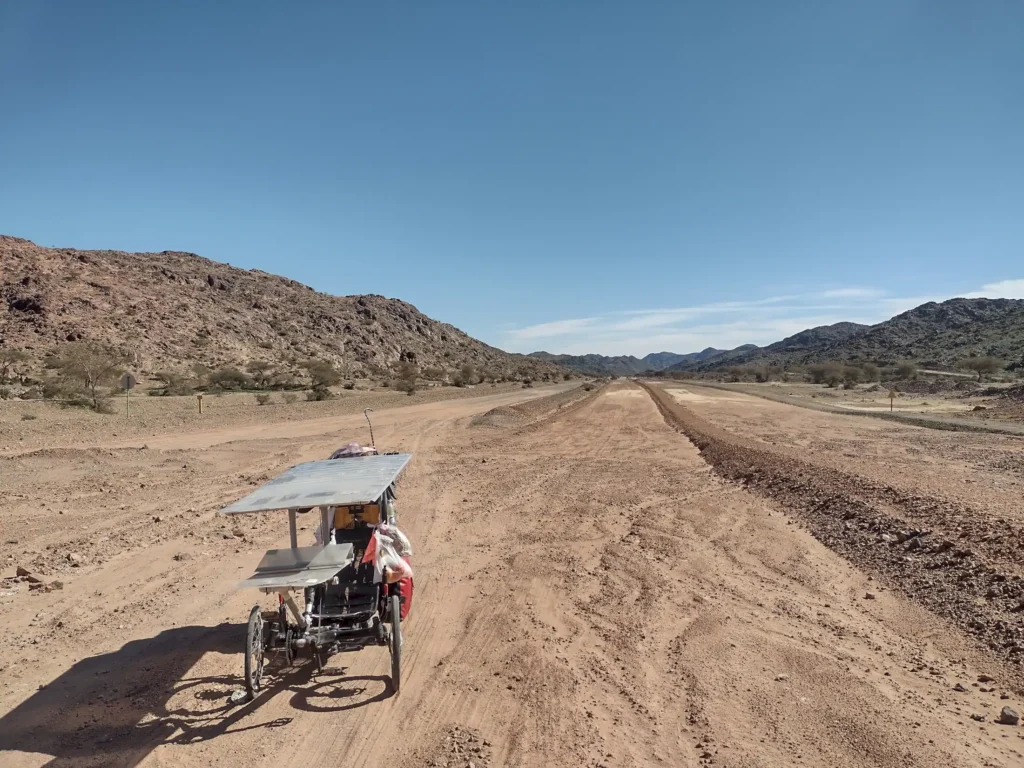
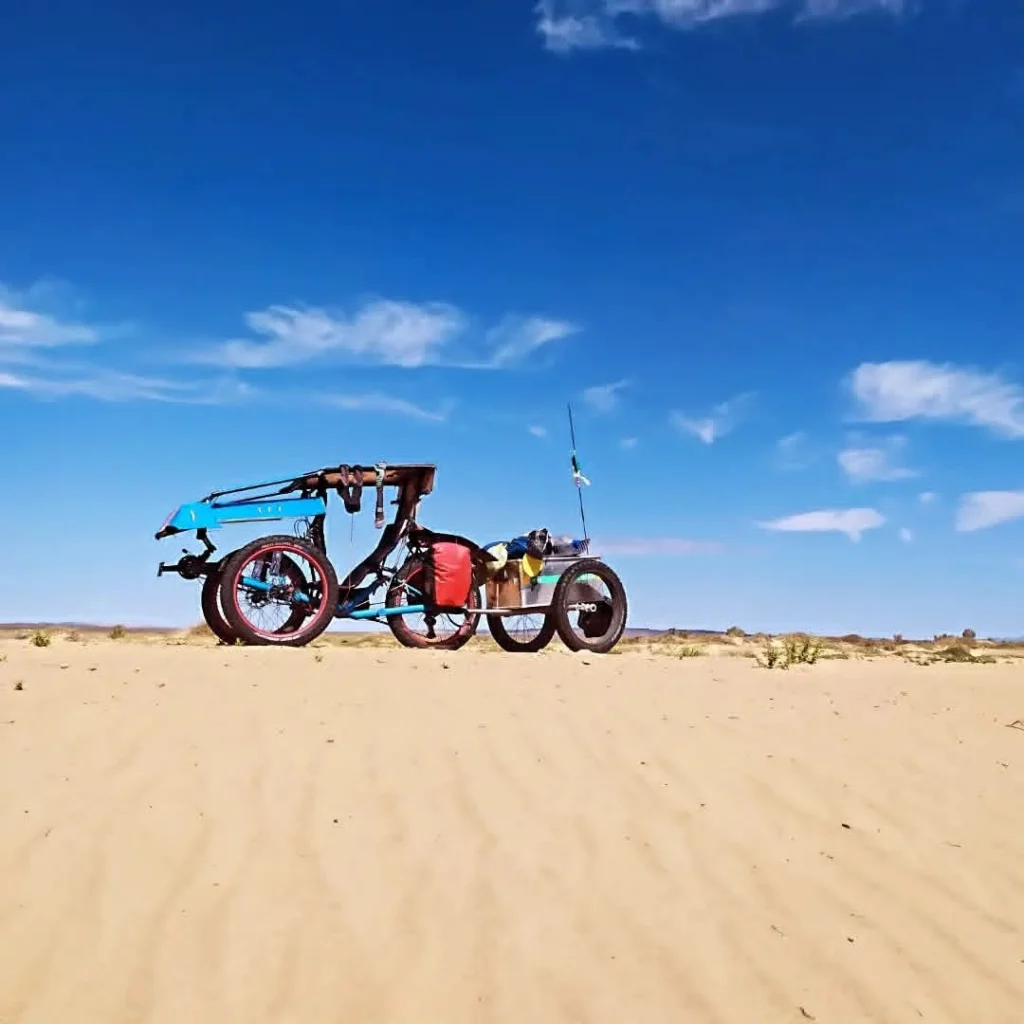
The 20-inch wheels are great for paved roads, but with 26×4 (100-559) fat tires, the world truly opens up. I can go anywhere. Whether it’s crossing deserts or navigating remote, off-road tracks, the fat wheels provide the flotation and traction that a standard trike simply can’t match.
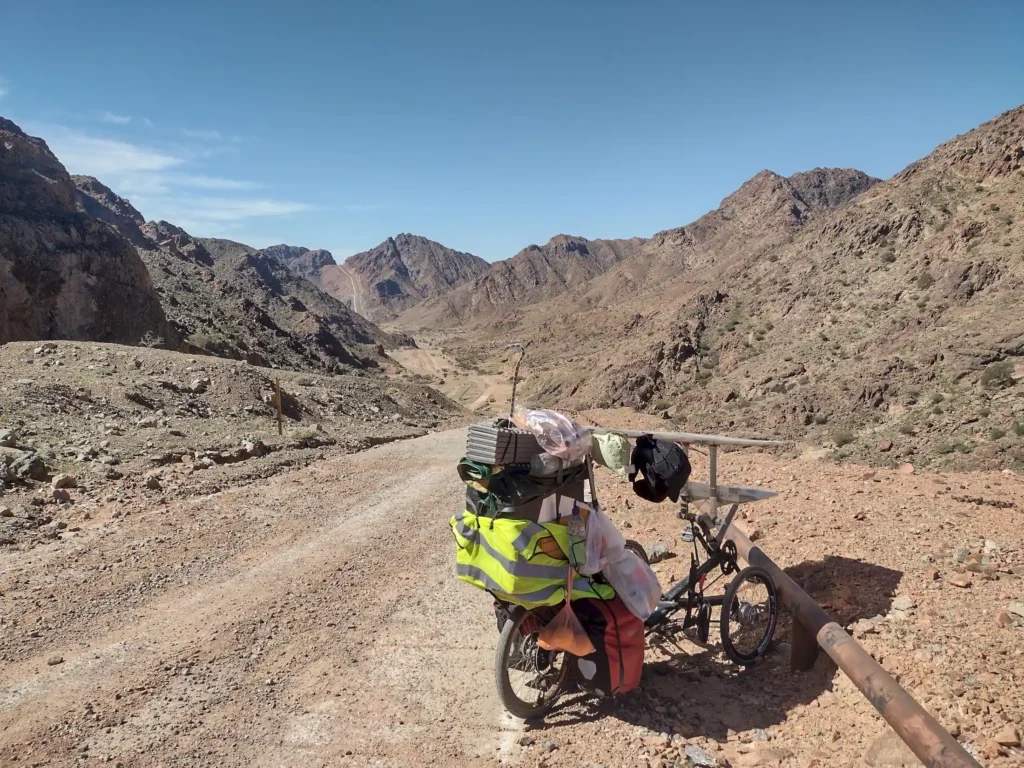
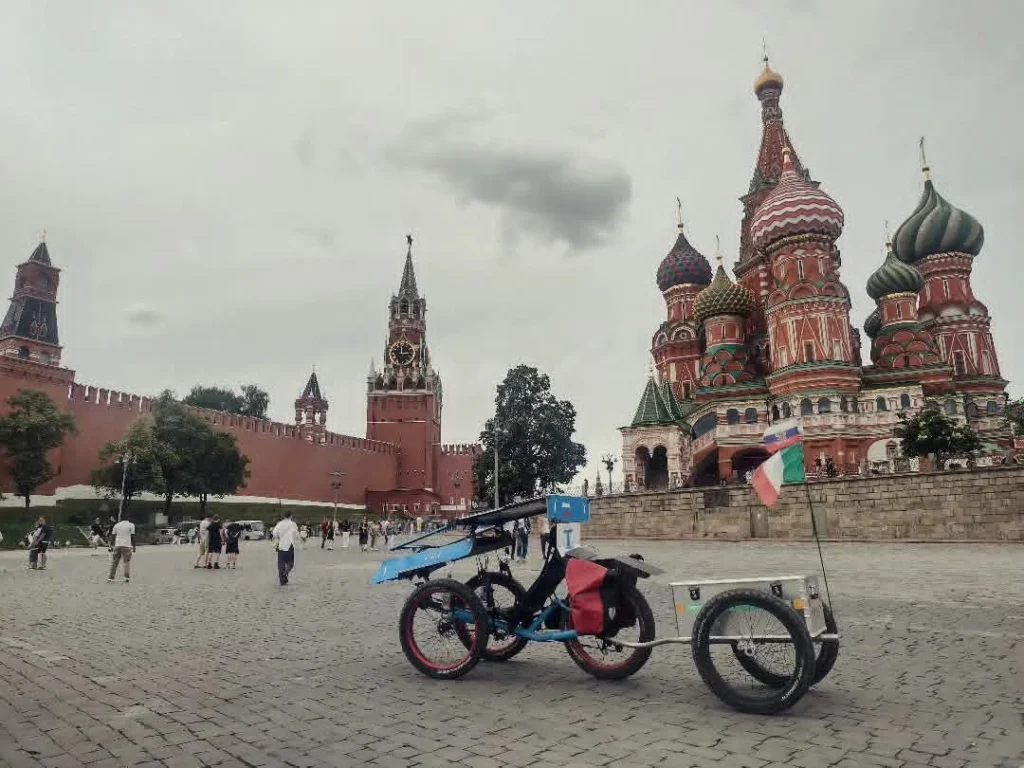
What tires do you use? Are they the same for the trailer as well, tubes or tubeless? Do you get many punctures?
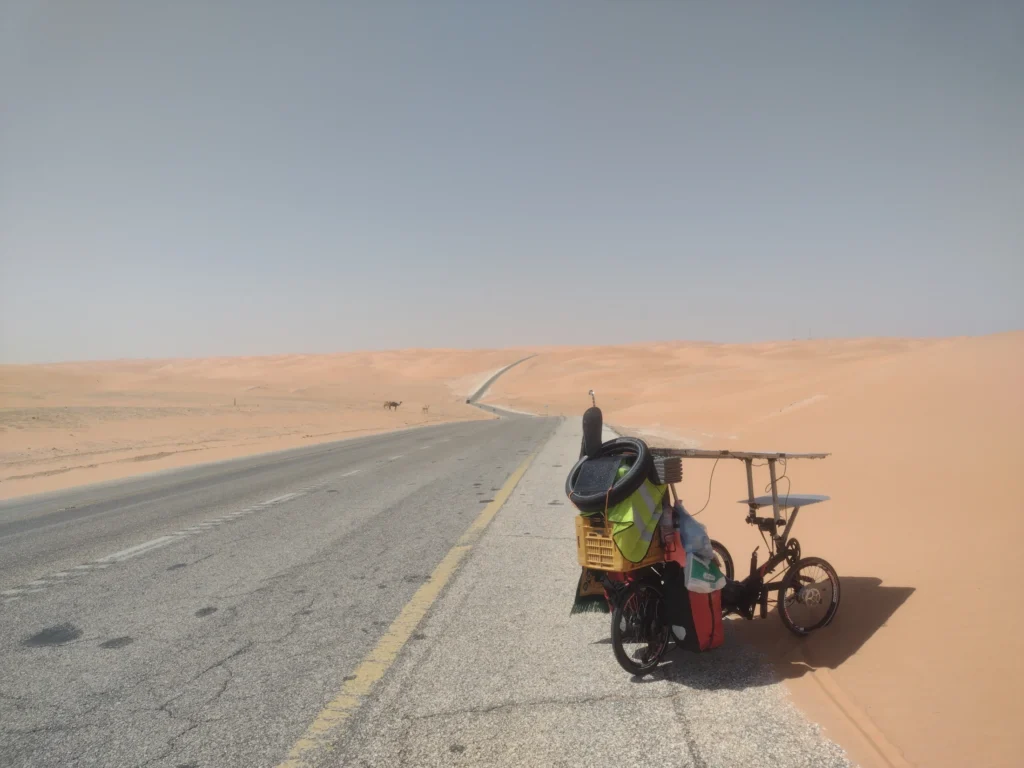
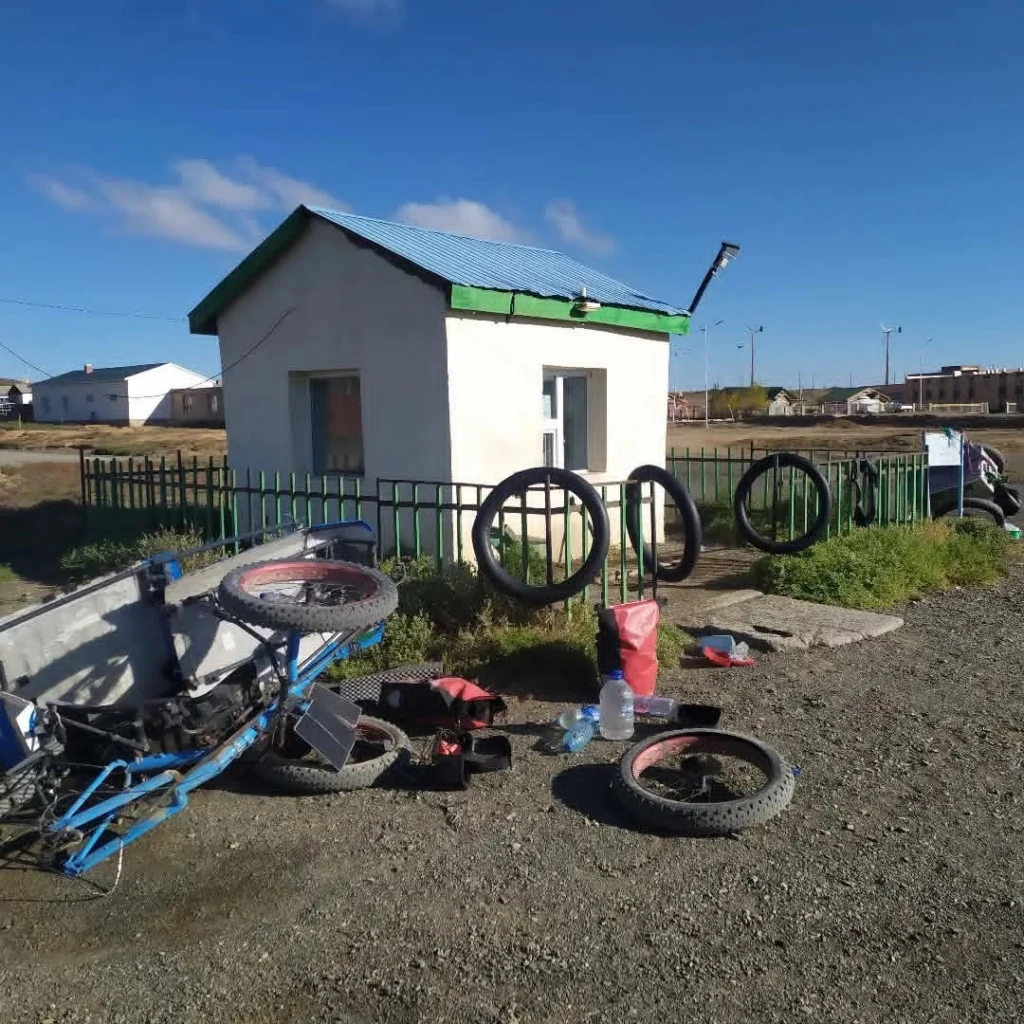
I use Schwalbe Jumbo Jim 26×4 (100-559) tires on both the trike and the trailer. I run a tubed setup. During my 1,500 km/932 mile trek through the Gobi Desert, I suffered countless punctures. To solve this, I developed a DIY reinforcement: I inserted a strip of truck inner tube inside my tires as an extra protective liner. Since then, the punctures have significantly decreased.
Based on my experience since 2018, especially after crossing the Sahara and the Gobi, I’ve reached a critical conclusion regarding traction. While fat bike tires are good, they aren’t enough for the extreme sand and the heavy load I carry.
My next step is a radical evolution: I am planning to move away from bicycle standards and mount a 135/80 R13 (21.5/5.3 R13) car tire on my drive wheel. Beyond the massive increase in traction and flotation on deep sand, there are two other vital advantages: durability and puncture resistance.
A car tire is built to last tens of thousands of kilometers under much higher stresses; on a muscular trike, it will practically never wear out. Furthermore, its thick construction makes it almost impermeable to the thorns and sharp rocks that easily shred even the best fat bike tires. I am designing a custom, lightened rim to keep the rotational inertia under control, creating a ‘muscular tractor’ ready for the Australian Outback.
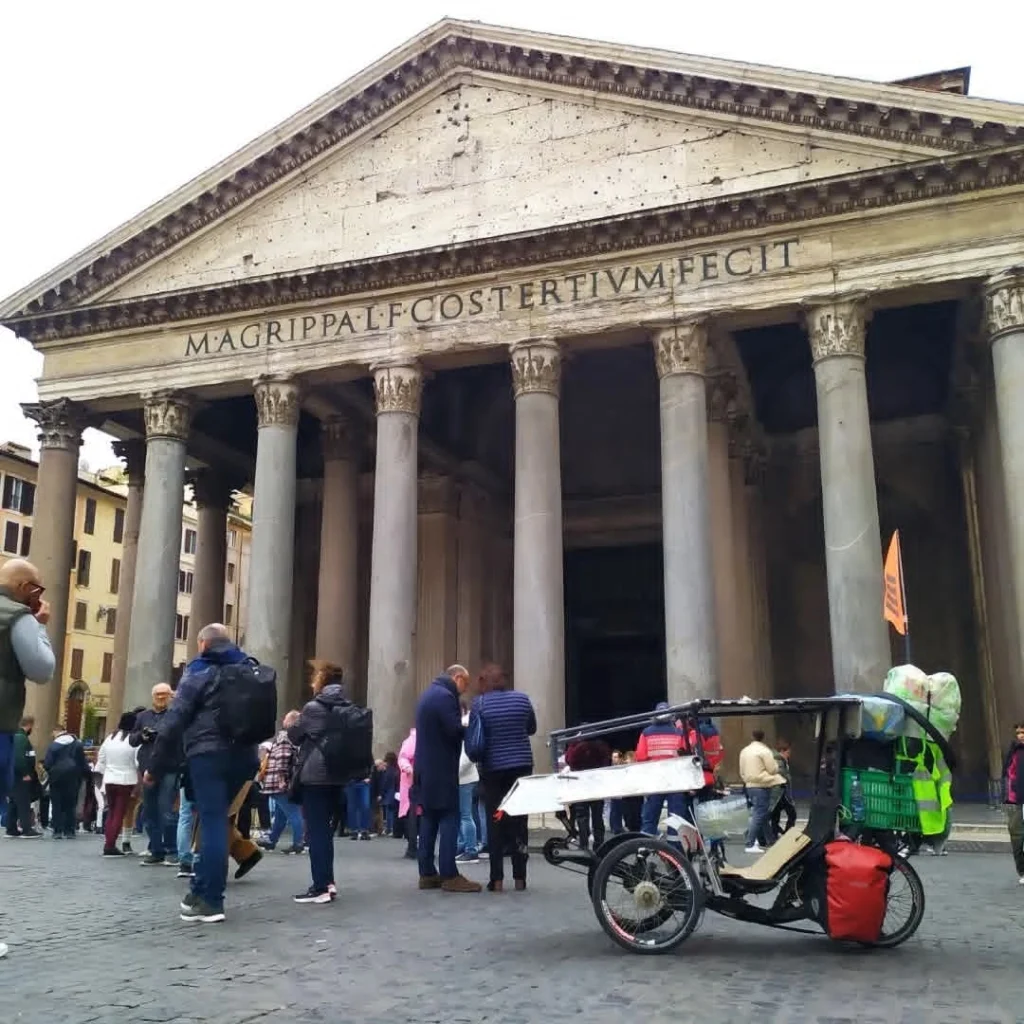
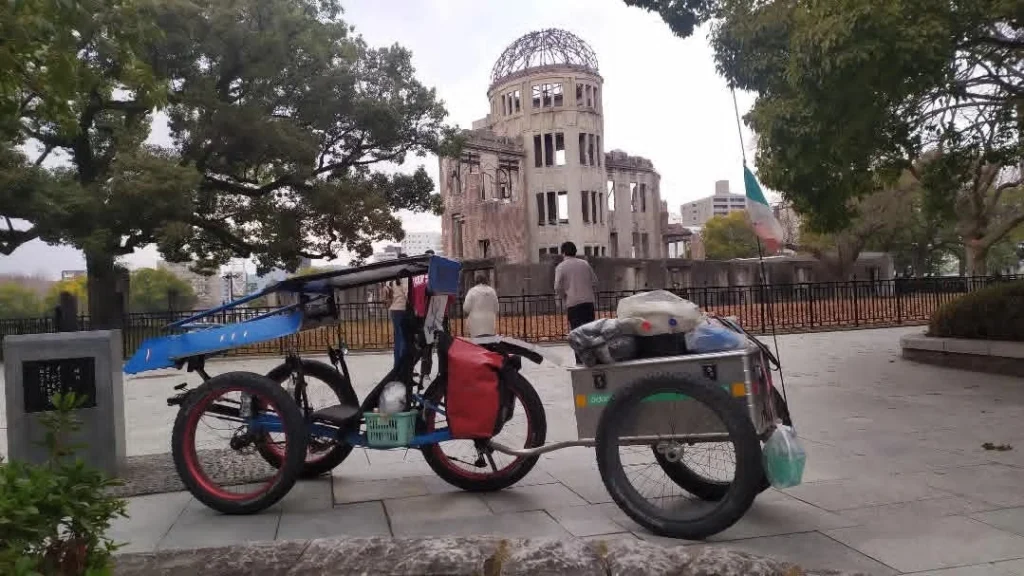
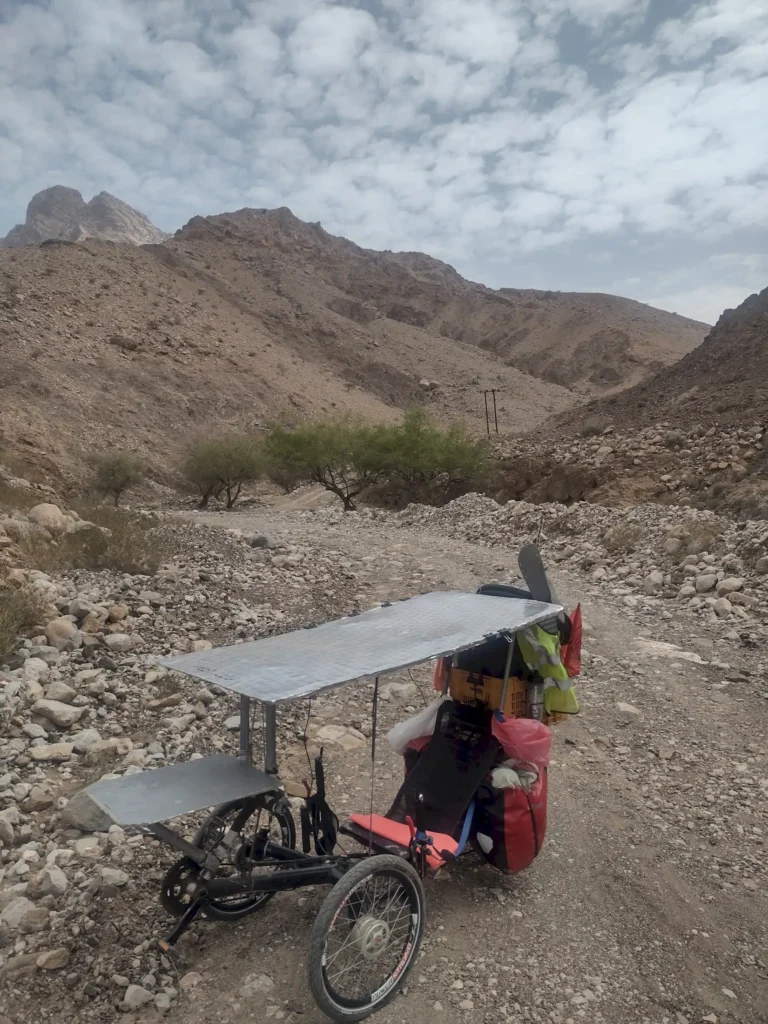
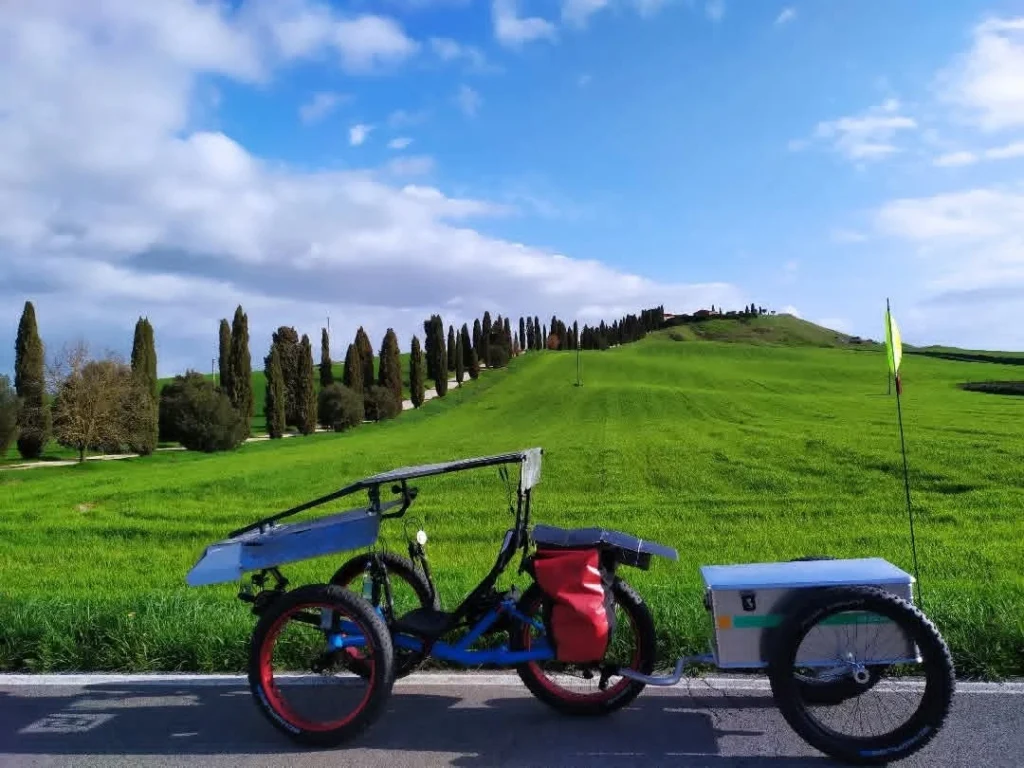
Do you ride mainly paved roads, or do you prefer gravel or dirt?
If I have a choice, I always prefer gravel or dirt roads. Paved roads are often a necessity, but the real adventure happens off-road. My favorite experience so far was riding 1,500 km/932 miles across the Gobi Desert on raw, unpaved tracks. It was brutal but absolutely rewarding.
In our last interview you had left Napoli, Italy and traveled to Baghdad, Iraq. Where have you traveled since, where are you now? Total kilometers pedaled since Napoli?
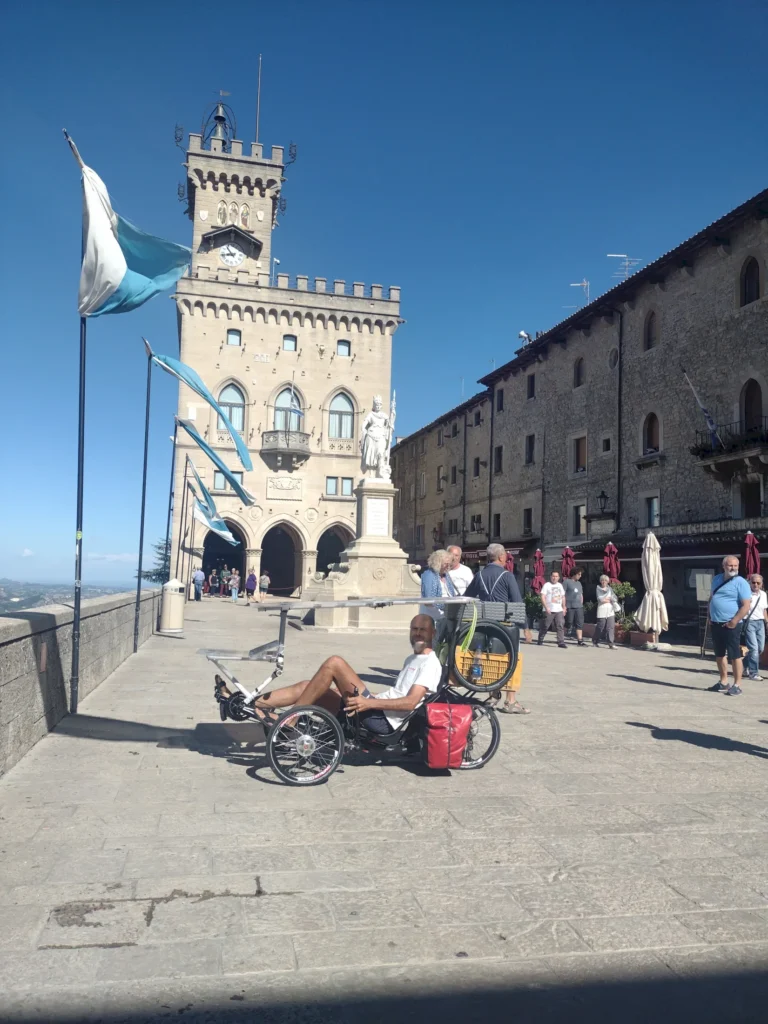
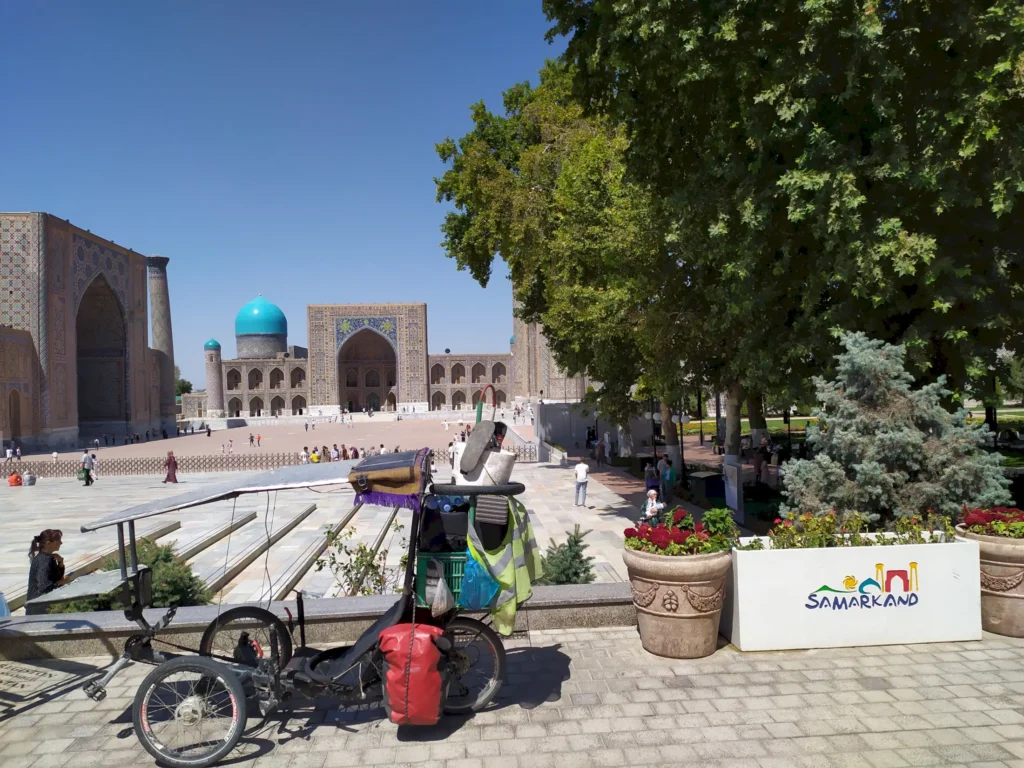
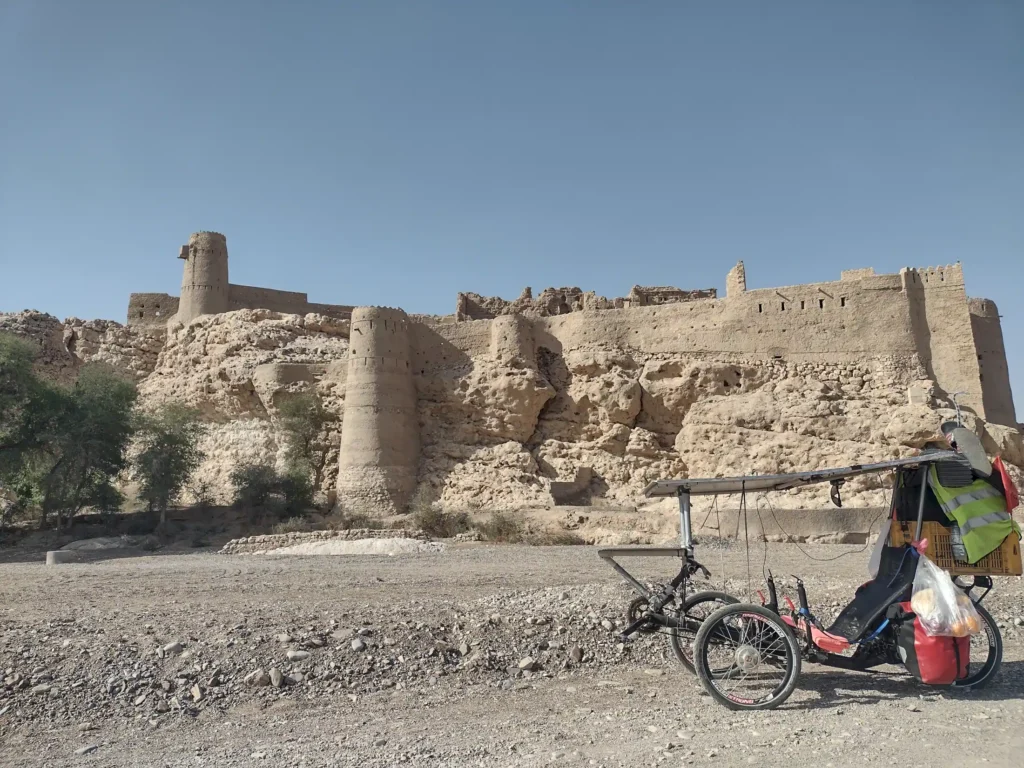
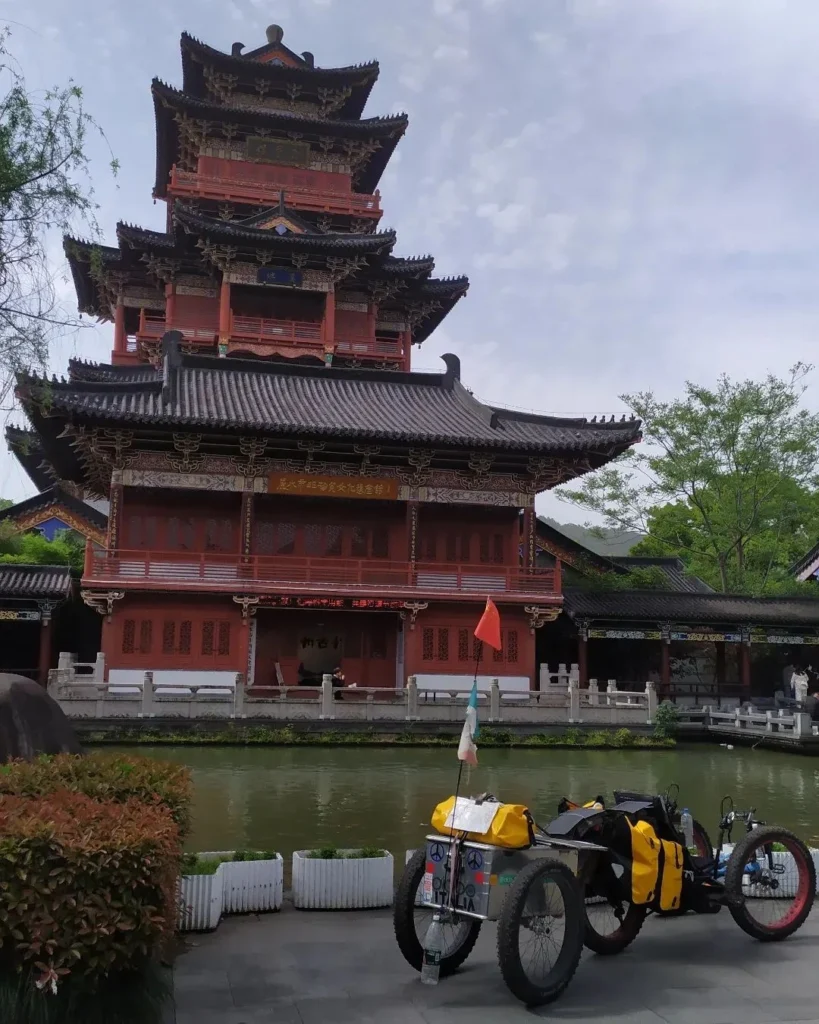
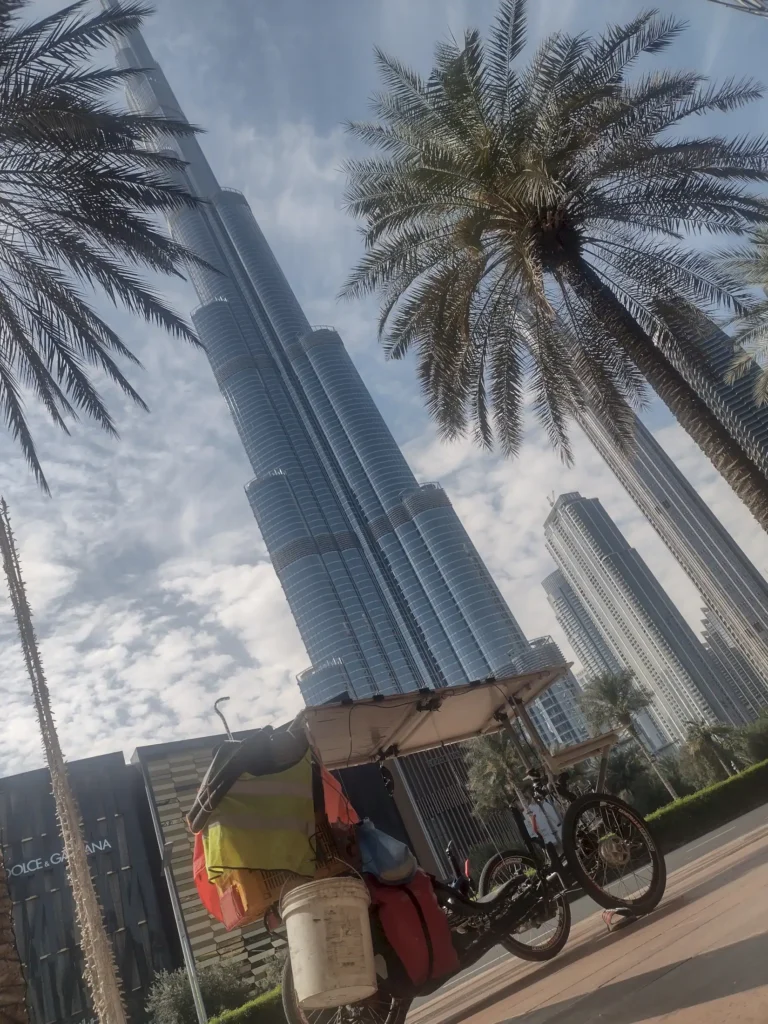
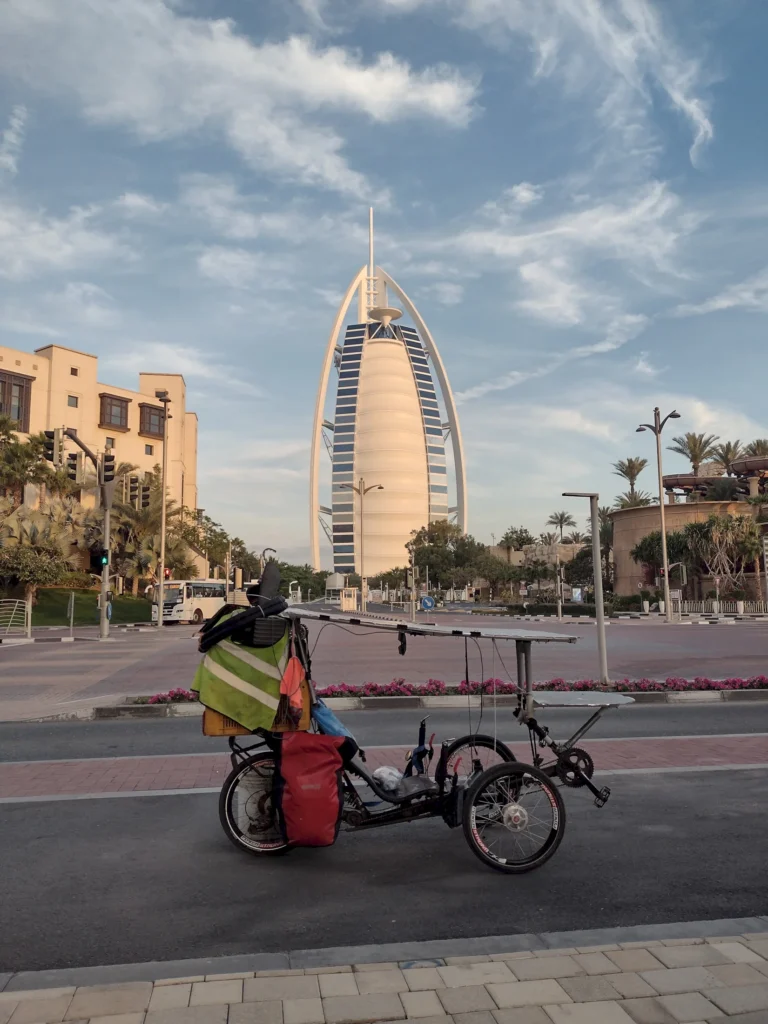
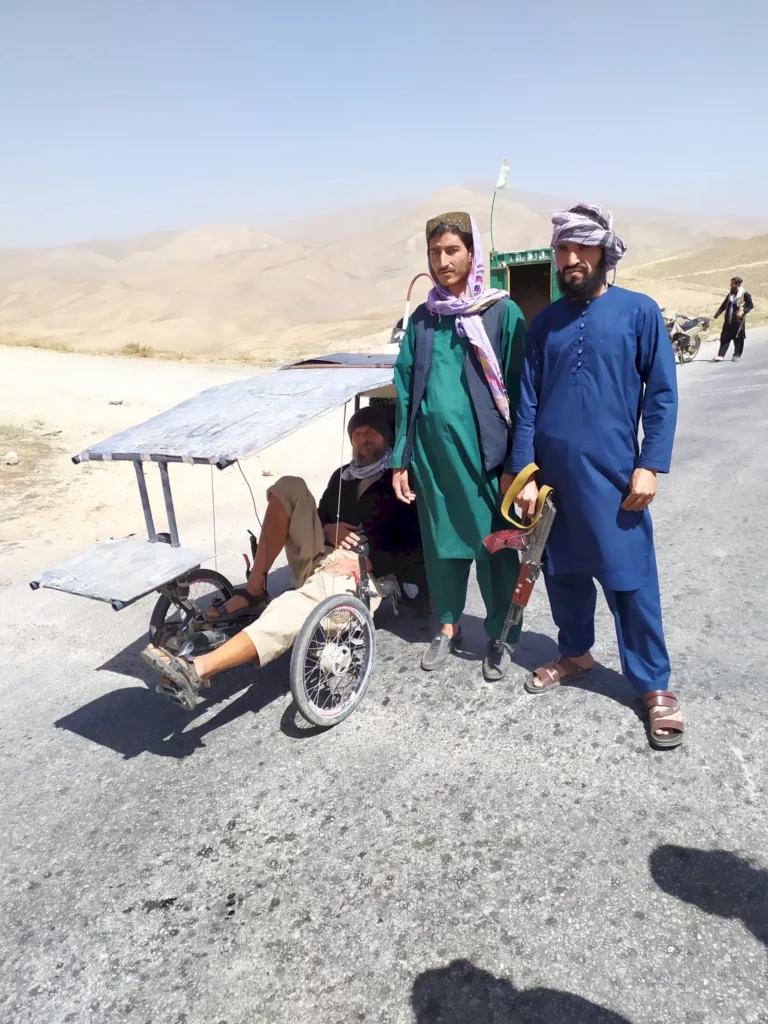
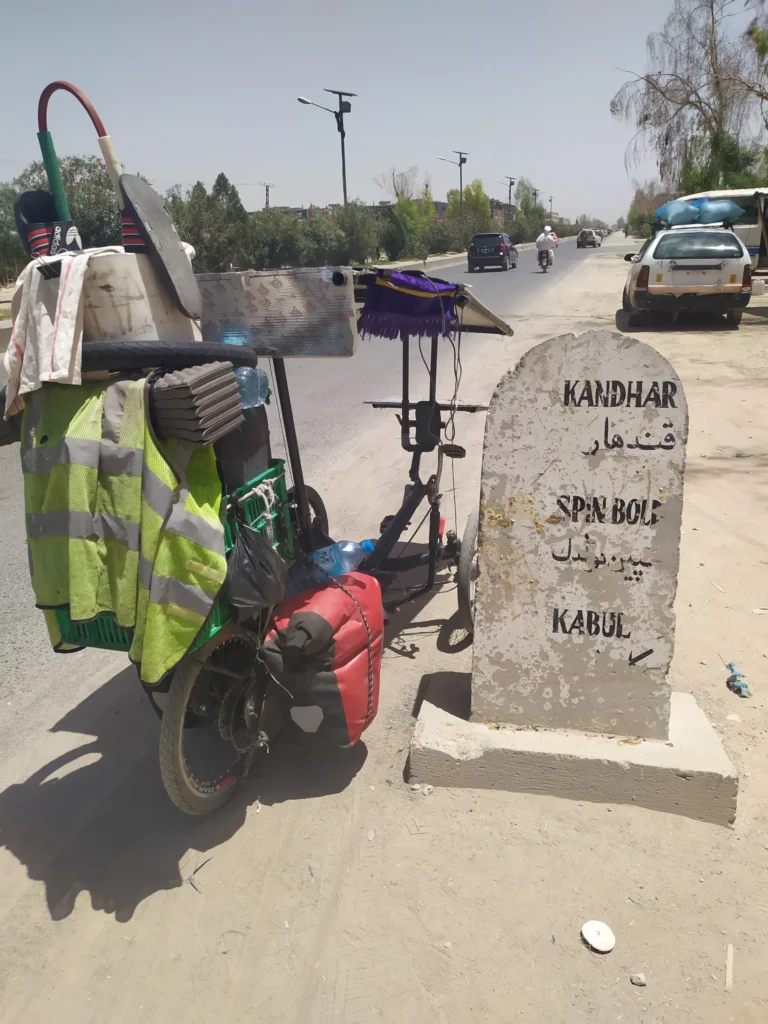
Since leaving Napoli, my journey has taken me through an incredible list of countries: Kuwait, Saudi Arabia, UAE, Oman, Qatar, Iran, Afghanistan, Tajikistan, Uzbekistan, Kazakhstan, Russia, Georgia, Turkey, Bulgaria, Romania, Hungary, Slovenia, Italy, France, Germany, Czech Republic, Poland, Lithuania, Latvia, Estonia, Mongolia, China, South Korea, Japan, Taiwan, Vietnam, Laos, Cambodia, and now Thailand. I’ve effectively traversed the entire Eurasian continent twice. Over 60,000 km/37,282 Miles pedaled.
Have you had any memorable animal encounters, good or bad?
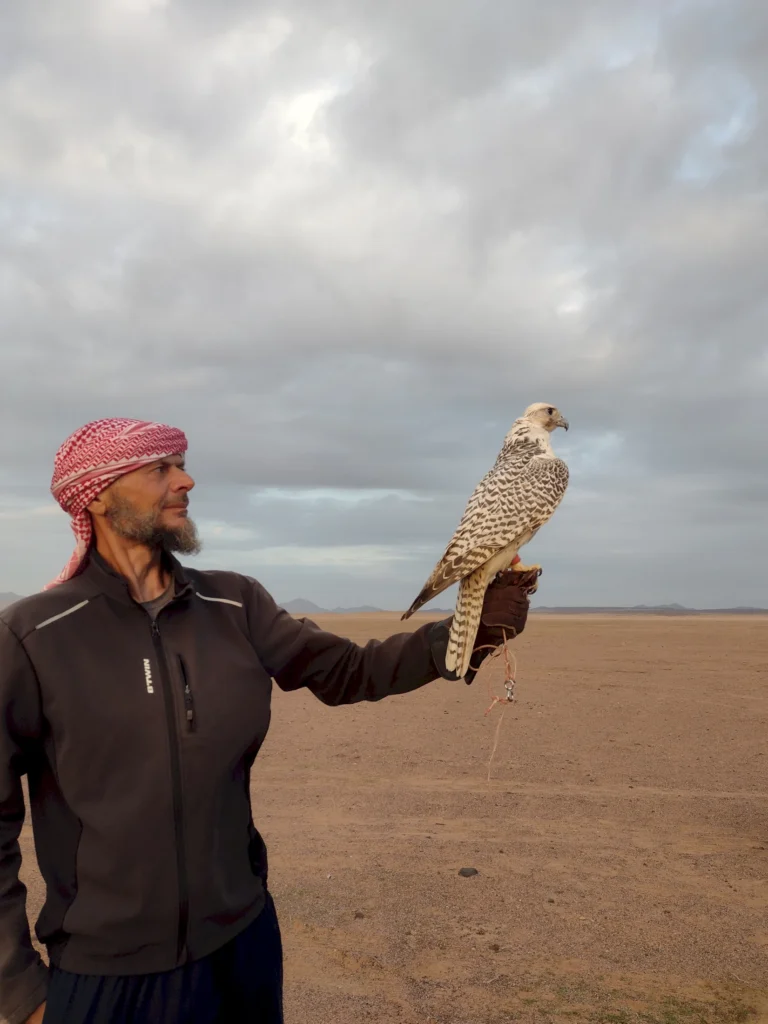
I’ve had several memorable meetings. In Turkey, I encountered the massive Kangal dogs—they are enormous and quite intimidating; I even managed to capture some intense footage of those encounters. I’ve also shared the road with foxes and various wildlife across different continents.
Have you had any mechanical issues/breakdowns with the trike or trailer?
The AZUB TRIcon I used for the first leg of my journey from Italy to Afghanistan and back was a second-hand trike I bought right after returning from South America. I didn’t even have time to test it. From the very first days on the road, I could hear a strange metallic noise while pedaling. On top of that, the frame seemed misaligned—it might have been involved in an accident previously.
Eventually, the frame snapped while I was in Iran. Luckily, thanks to a friend, I managed to get it to a workshop where they welded it back together. However, it broke twice more in Afghanistan. The second time it happened there, I put my engineering background to use: I designed a reinforcement for the frame that finally held up, allowing me to return to Italy without any further structural failures.
The Aidoo trailer is unbreakable.
Do you carry tools and spare parts with you? Which ones are must-haves?
I don’t carry spare parts. An AZUB trike can easily cross the entire Eurasian continent without needing to change a single thing—not even the tires—and that’s exactly what I did. AZUB only sent me the replacements once I reached Osaka. I covered nearly 20,000 km/12,427 miles before I had to change the tires, chain, and cassette.
My kit is minimal: I always carry Allen keys, pliers, a chain breaker, and the essentials—patches, glue for punctures, and a pump.
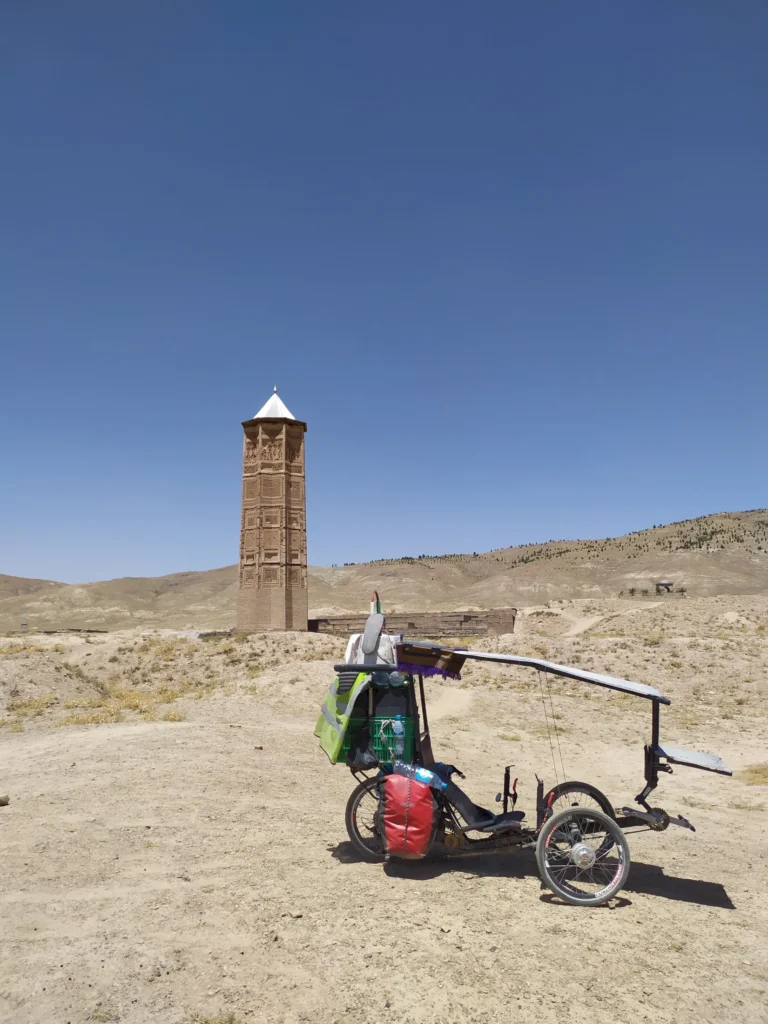
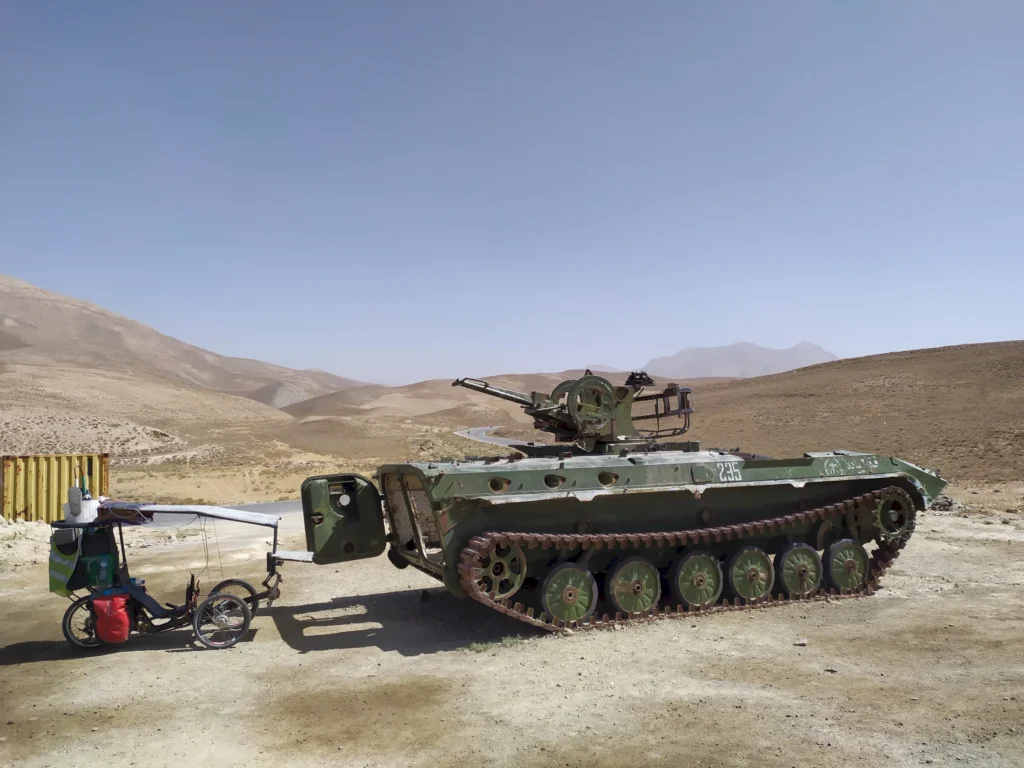
What did you build the canopy for the trike out of, did you make it yourself? How has it performed, any repairs needed?
I designed and built the canopy myself using PVC tubing and polycarbonate panels. It was a necessity for the desert heat. It has performed exceptionally well and, remarkably, has required no repairs despite the thousands of kilometers and varying weather conditions.
Do you have a motor to help you pedal the trike and trailer?
I do not use a motor. It is 100% human-powered. I pedal the entire way, including the trailer weight, and I never hitchhike or ask for a lift. It’s a matter of personal challenge and staying true to the spirit of the journey.
What gearing do you have, 10 speed? Single chainring in the front?
Currently, I run a 10-speed cassette with a triple chainring up front (though I mostly use only two of them). However, for these kinds of dusty and sandy environments, my ‘dream setup’ would be a Rohloff hub combined with a Schlumpf drive or a Pinion system. Eliminating the external derailleur would be a huge advantage on dirt roads where sand and debris often interfere with the drivetrain.
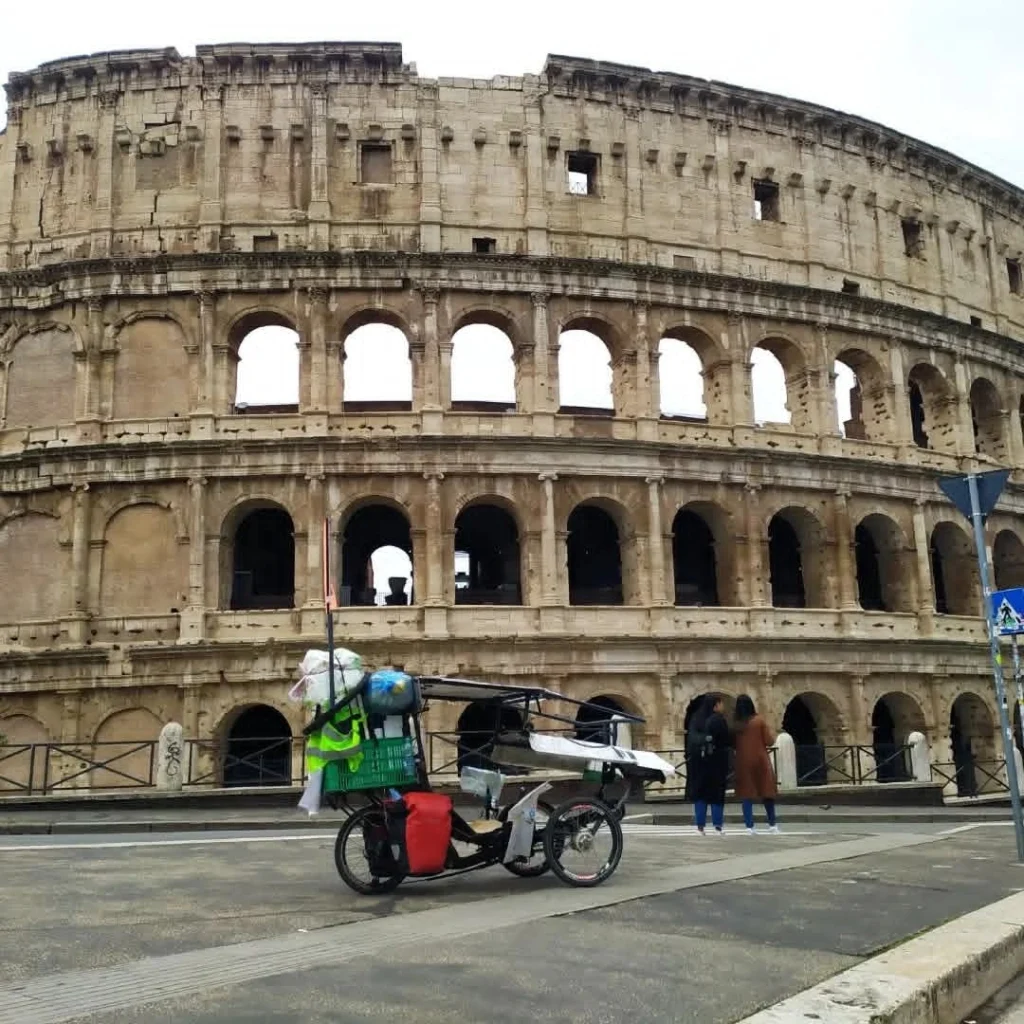
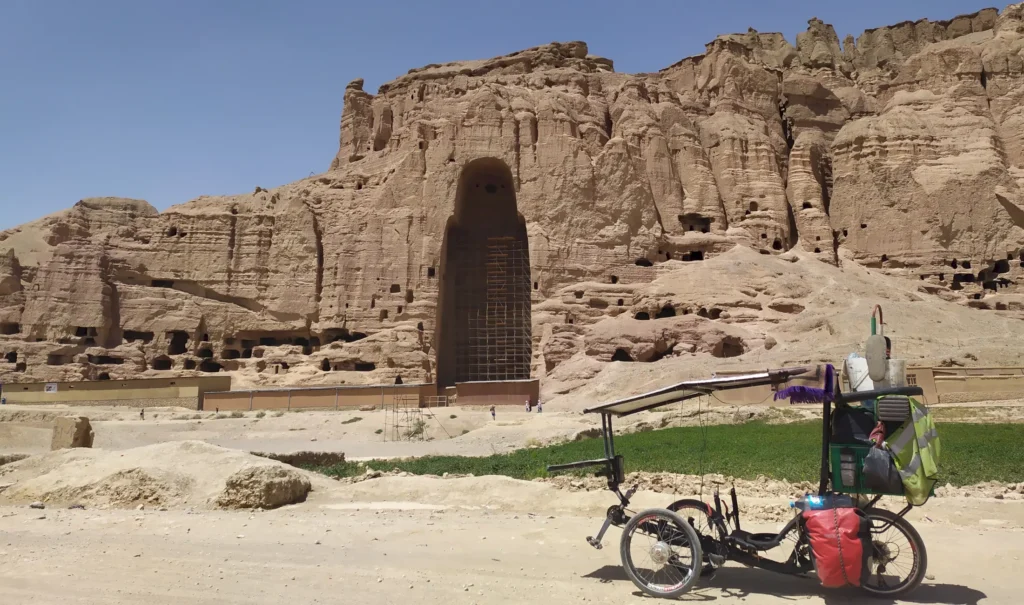
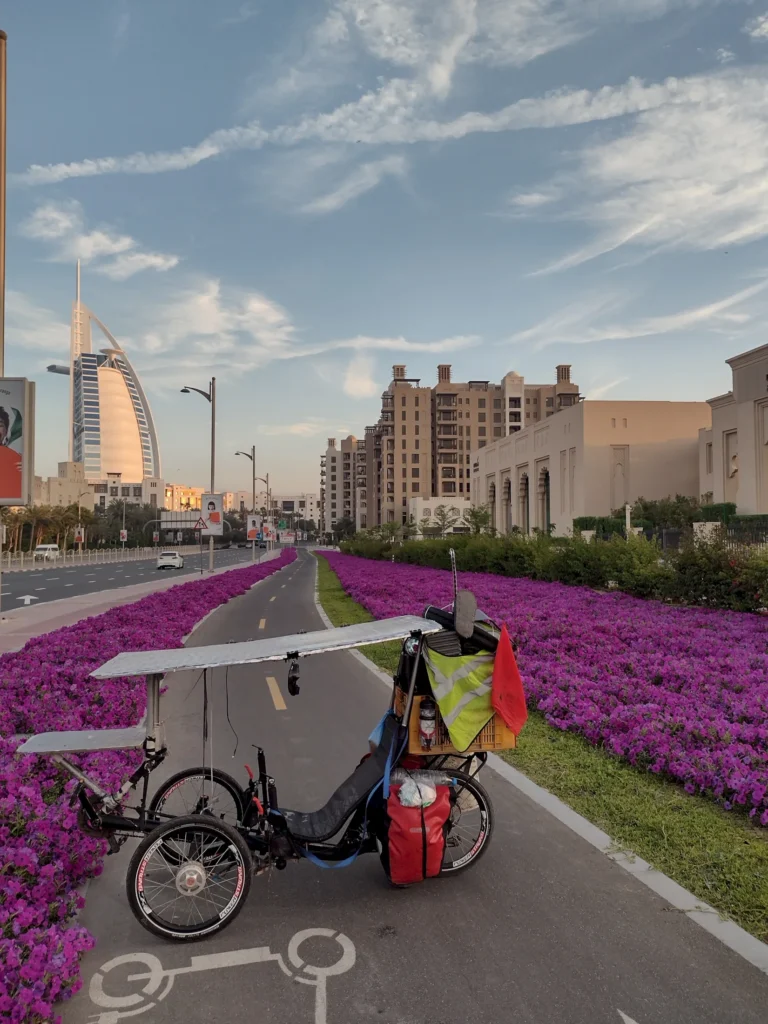
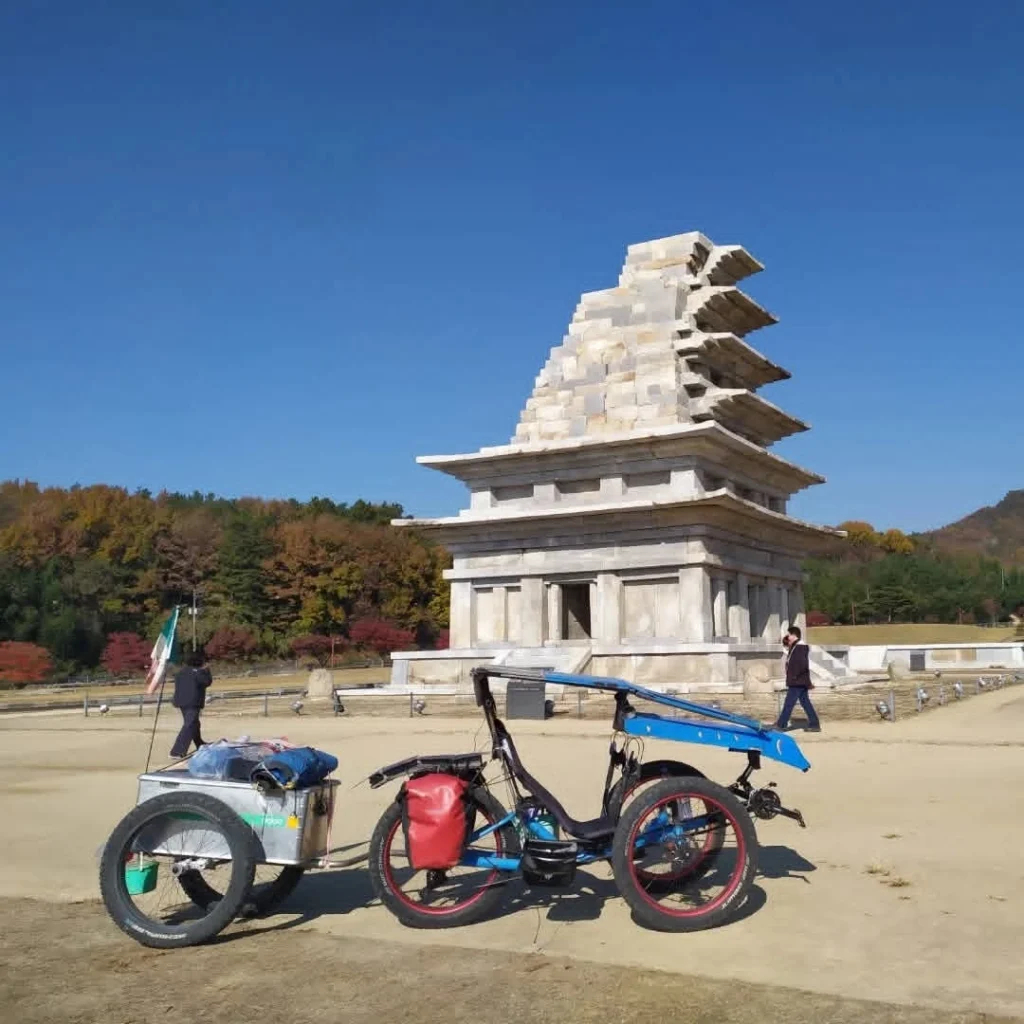
Since you left Italy, what area has been your favorite to travel through? The most challenging?
My favorite regions are mostly on the western side of Eurasia: Saudi Arabia, Iran, Afghanistan, Russia, and Mongolia stand out for their hospitality and landscapes. The most difficult was definitely the Gobi Desert. Spending a month on dirt roads, facing extreme heat, freezing cold, and even snow, was the ultimate test of endurance.
What is your favorite food to eat while travelling, what place has had the best food for you?
I am a vegetarian and I prefer to cook my own meals on the road. I love Middle Eastern cuisine—simple, nutritious dishes like Fuul (fava beans) and fresh bread are staples for me. I also enjoy Chinese vegetable dishes and, of course, a lot of fresh fruit.
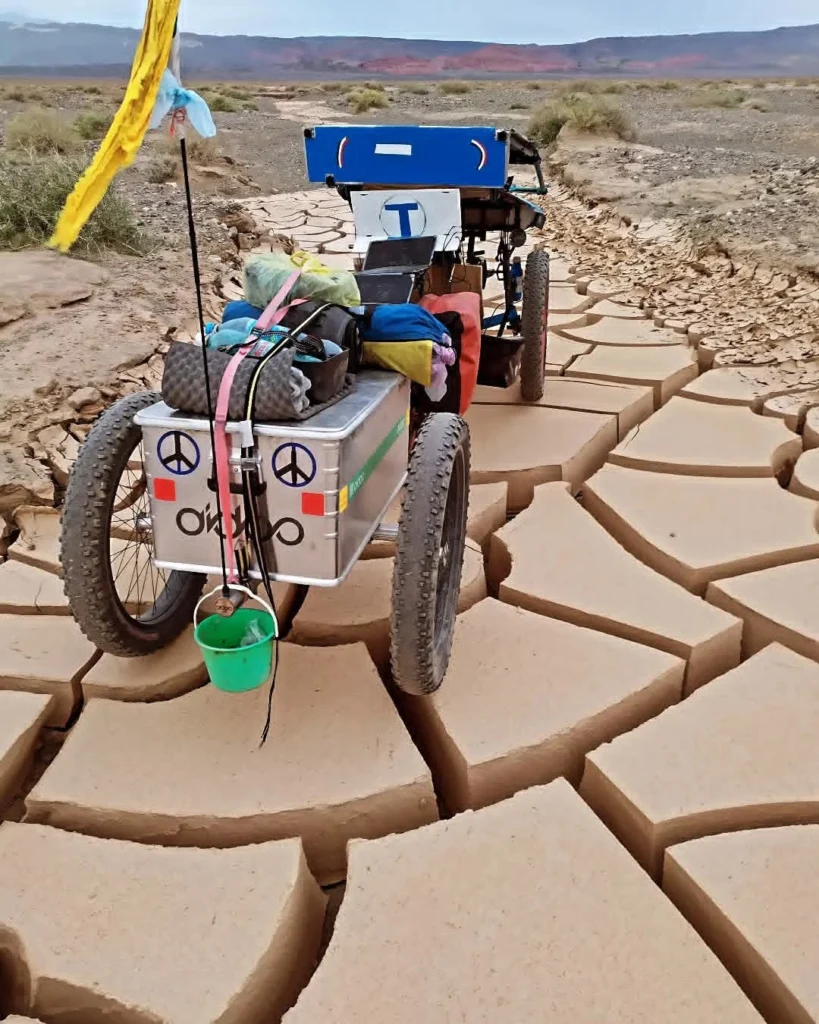
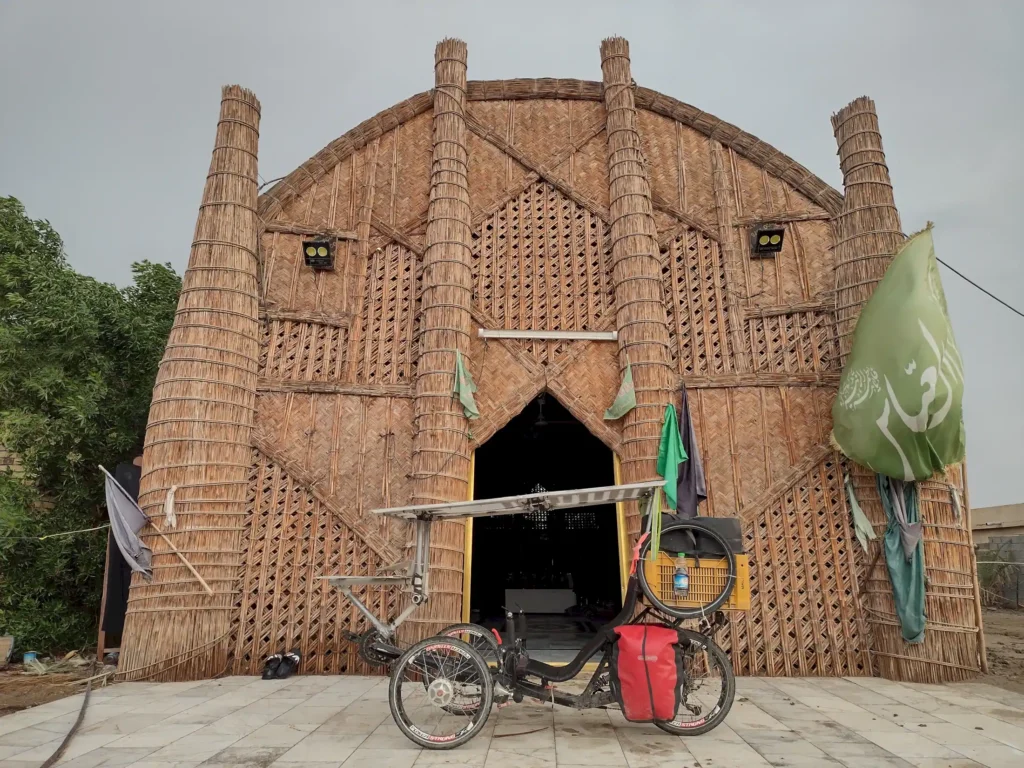
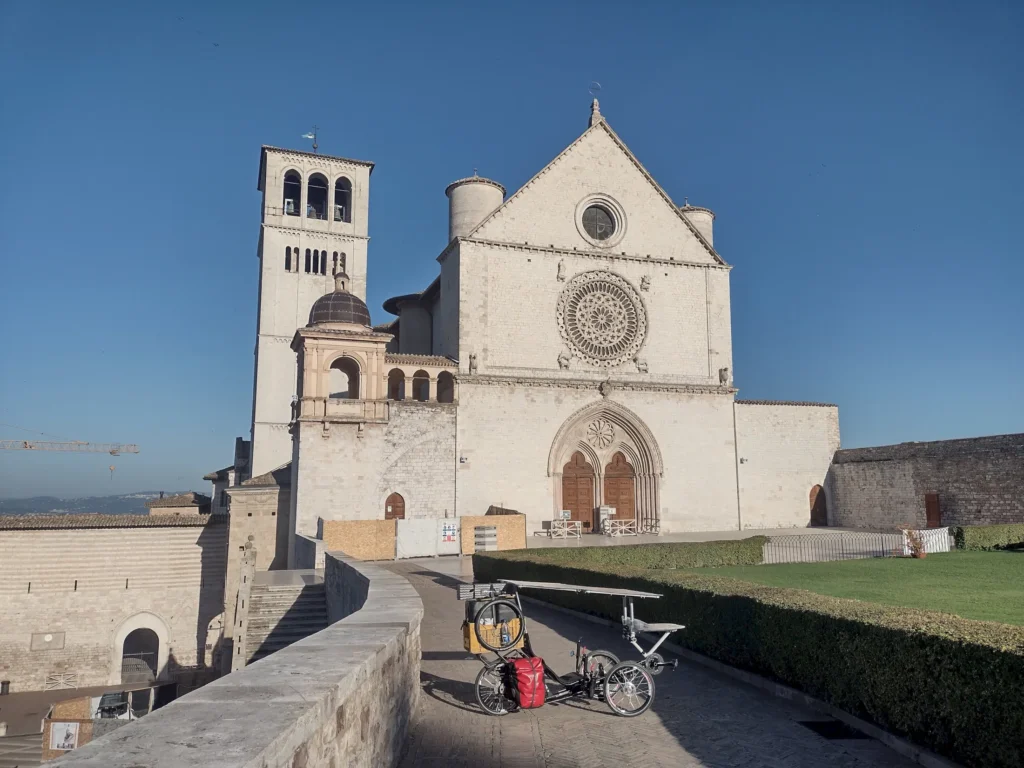
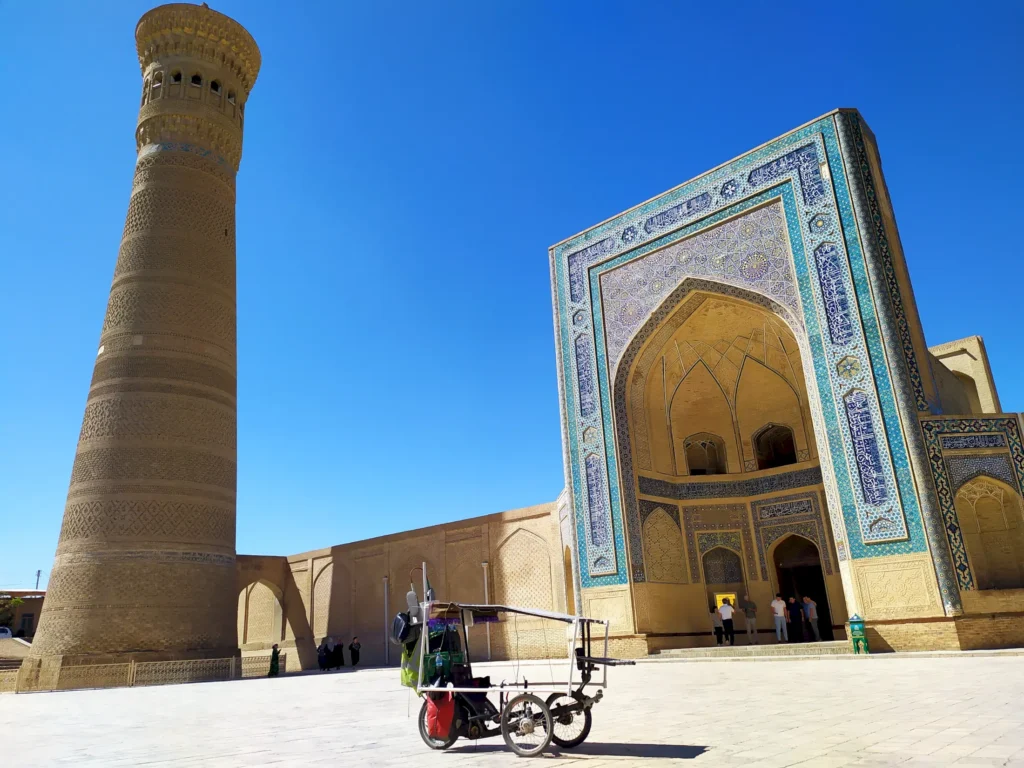
What do you do for sleep? Do you carry a tent and sleep system or do you try and find a place to stay inside?
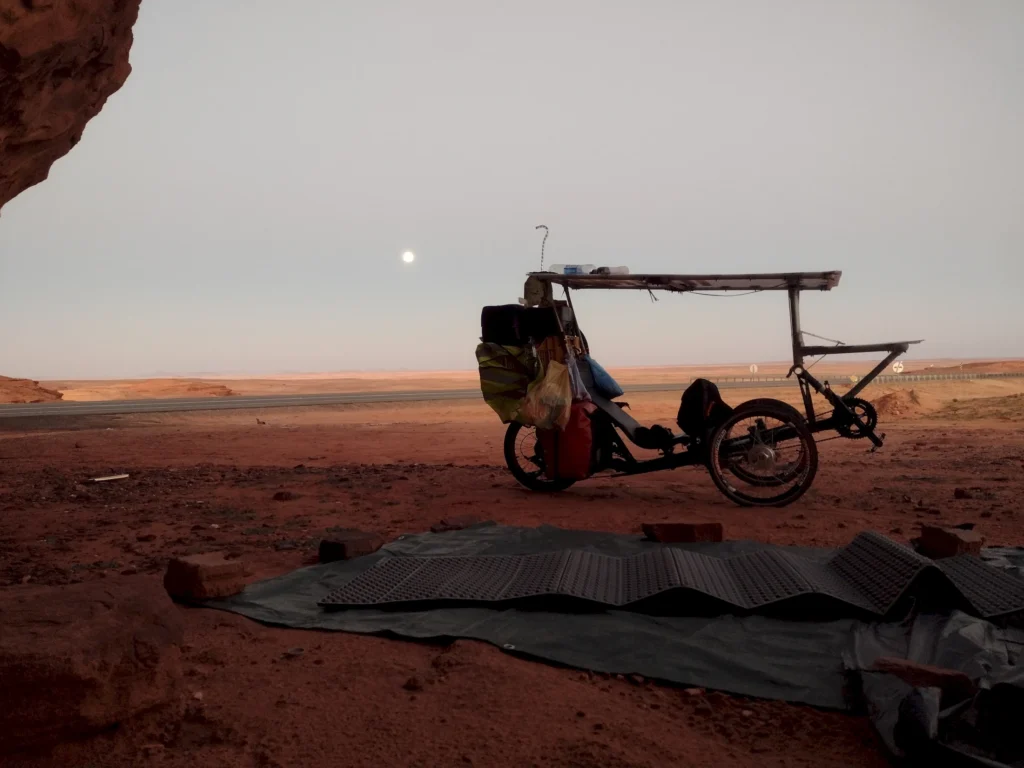
I actually left Italy without a tent or a sleeping bag. Two years into the trip, a man in Siberia gave me a used, basic tent just before I hit the Gobi. Currently, I’m traveling without a tent or bag again. I look for natural shelters: abandoned houses, bus stops, or police boxes. In Southeast Asia, it’s much easier—I often find hospitality in Buddhist monasteries.
Where do you plan to travel next?
The goal is Australia to explore the great Australian deserts. But first, I have to pedal through Malaysia, Singapore, and Indonesia. There is still a very long way to go before I reach the Outback.
Note: We conducted this interview a few months ago, so Nicola is now in Malaysia already and well on his way to achieving his goal.
Thank you for the interview!
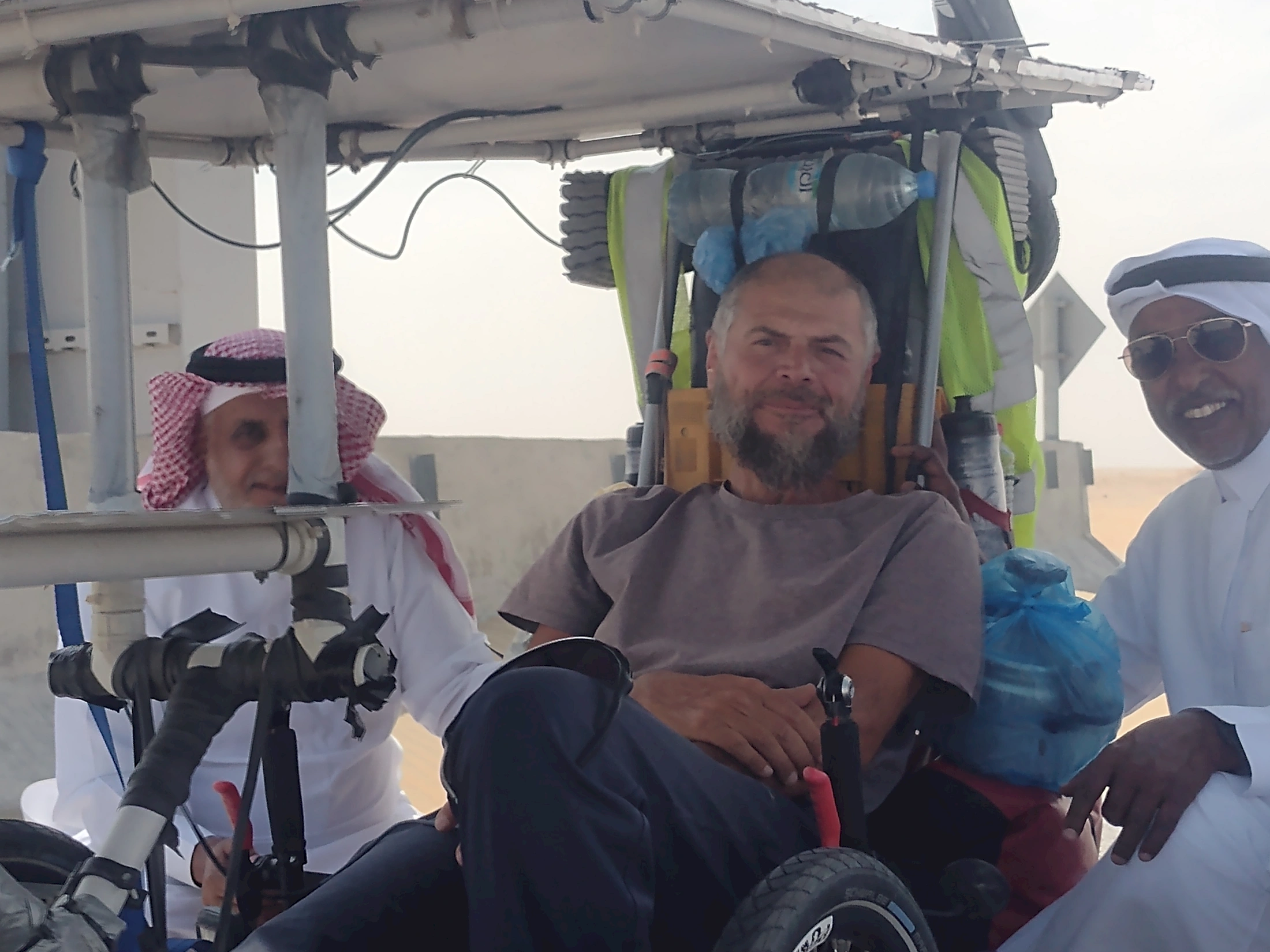
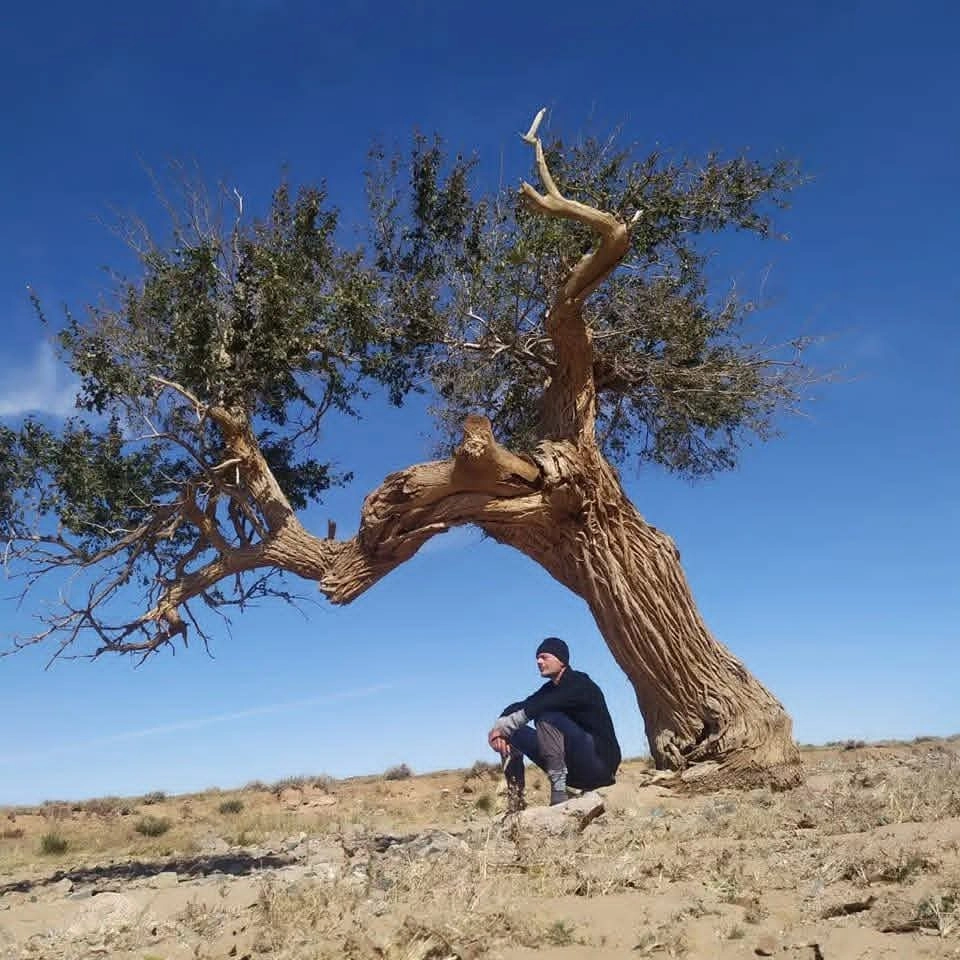
Nicola Chiacchio
Year of Birth: 30/04/1972
Residence: Italy
Education: graduate
Job: professor
Bike(s): AZUB FAT trike
Motto: live and let live
Website/youtube/Social accounts: Instagram: @girodelmondoapedali Facebook: @nicolachiacchioafrica Youtube: @GIRODELMONDOAPEDALI